


The Customers Who Choose Hamadan Persian Rugs: A Love for Color, Character, and Authenticity
Updated: Jan 20
The Customers Who Choose a Hamadan Persian Rug: A Love for Color, Character, and Authenticity
Not every rug speaks to every person. Some floor coverings whisper quiet elegance, while others aim for perfect symmetry and modern precision. A Hamadan Persian Rug, however, speaks in personality, warmth, and soul. Customers who choose rugs from the Hamadan region are not searching for uniform design — they are drawn to individuality, craftsmanship, and the unmistakable charm found in traditional Persian rugs in Iran.
A Hamadan rug buyer often sees beauty where others see imperfection. They recognize stories woven into patterns and appreciate the warmth that comes from a handmade textile created by skilled village weavers. For these customers, a rug is more than floor décor — it is a reflection of life itself.

A Customer Who Lives Colorfully
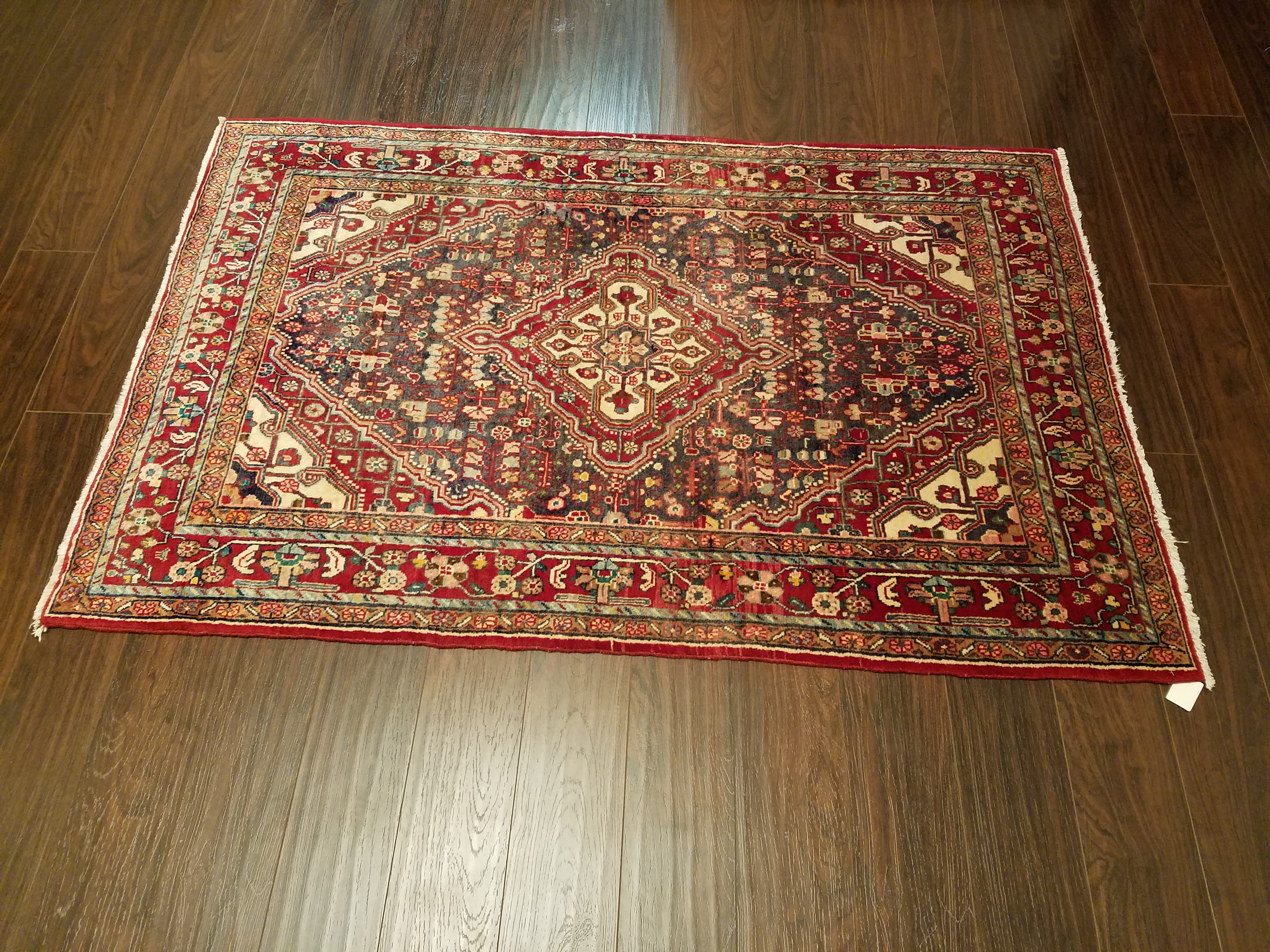
Buyers of Hamadan (also spelled Hamedan) rugs tend to live colorful lives — expressive, layered, and personal. They are drawn to rich reds, deep indigos, soft ivories, warm browns, and naturally dyed hues that bring energy into a space. These are people who appreciate colorful rugs that feel alive rather than manufactured.
Many Hamadan rug owners surround themselves with meaningful objects: art collected over time, vintage furniture, handmade pottery, or heirloom décor. Their homes feel welcoming, warm, and thoughtfully curated. A Hamadan Persian Rug fits naturally into these environments because it doesn’t strive for perfection — it celebrates authenticity.
Unlike factory-produced floor coverings designed to blend quietly into the background, Hamadan rugs confidently stand on their own. Slight variations in color, small shifts in pattern, and subtle asymmetry all serve as reminders that these rugs were made by human hands — not machines.

The Many Villages Behind Hamadan Rugs
One of the most fascinating aspects of Hamadan rugs is that the name “Hamadan” does not refer to a single weaving town. Instead, it represents one of the largest and most diverse rug-producing regions in all of Iran. Surrounding the historic city of Hamadan are hundreds of villages, each with its own weaving traditions, patterns, color palettes, and tribal influences.
For generations, families throughout these villages have woven rugs using techniques passed down from parents to children. While many of these rugs are broadly marketed under the Hamadan name, knowledgeable collectors and dealers recognize that each village contributes its own identity to the region’s overall style.
Some rugs are closely associated with specific villages or tribal groups and may be identified by names such as Zanjan, Khamseh, Tafresh, Rudbar, Borujird, Malayer, Hosseinabad, Chenar, Borchalu, Shah Savan, Kharaghan, and Mazlaghan, among many others. Over time, these rugs have often been grouped together due to shared construction methods, similar wool quality, and geographic proximity — even though their designs can differ greatly.
This village-based production is what gives Hamadan rugs such remarkable variety. Some feature bold geometric medallions, others incorporate tribal symbols, while certain villages are known for more floral or repeating motifs. Natural dyes, handspun wool, and individual artistic expression further ensure that no two rugs are ever exactly alike.
Because these rugs are woven across such a wide region, the Hamadan category offers one of the most diverse selections within Persian village weaving. Each rug tells a story — not just of Iran as a whole, but of a specific village, family, and weaving tradition preserved through time.
This rich network of villages is what makes Hamadan rugs so collectible, personal, and endlessly fascinating.
Appreciation for Handmade Craftsmanship
Customers who choose Persian Rugs from the Hamadan region often have a deep respect for handmade craftsmanship or Bohemian lifestyle. These rugs are woven village by village throughout western Iran, rather than in centralized workshops. The region of Hamadan encompasses hundreds of weaving communities, each contributing its own visual language and traditions.
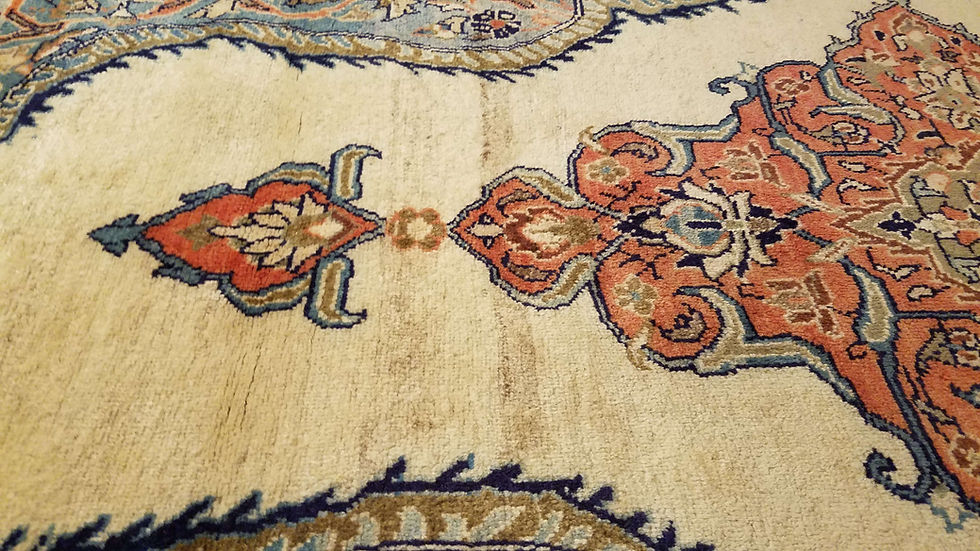
This decentralized production results in rugs that feel spontaneous and expressive. Borders may expand or contract slightly. Motifs can change subtly across the field. Natural dyes often create gentle abrash — variations in tone that enhance the rug’s beauty rather than detract from it.
Hamadan rug buyers frequently ask:
“Was this rug truly handmade?”
“Why do the colors shift across the surface?”
“How old is this weaving tradition?”
They want more than a decorative piece — they want a story. Owning a Hamadan rug means becoming part of a cultural lineage that stretches back generations.

A Connection to History and Persian Weaving Traditions
Many customers feel an emotional connection to the history behind Persian rugs in Iran. Hamadan rugs represent some of the most honest and accessible examples of traditional village weaving. For more than a century, these rugs have been created using time-honored techniques passed down through families.
For buyers, there is something grounding in knowing that the rug beneath their feet reflects traditions that existed long before modern manufacturing, synthetic dyes, or mass production. In an increasingly digital world, a handmade Persian rug offers something tangible, slow, and deeply human.
Some customers are drawn by cultural heritage. Others simply feel comforted by the authenticity. Either way, the connection runs deeper than design alone.
Practical Yet Passionate Buyers
Hamadan rug owners are not only romantic — they are practical as well. These rugs are known for their durability, woven with sturdy wool piles on strong cotton foundations. Many buyers appreciate that a Hamadan Persian Rug is made to be lived on, not merely displayed.
They perform beautifully as functional floor décor in:
Living rooms
Dining areas
Entryways
Hallways
Offices
Layered interiors
Rather than needing constant protection, Hamadan rugs age gracefully. Over time, the wool softens, the colors mellow, and the rug develops even more character. This blend of durability and artistry makes them ideal floor coverings for families, designers, and collectors alike.
Customers Who Reject the Ordinary May Just Love Hamadan Persian Rugs
People who purchase Hamadan rugs rarely want what everyone else has. They are not attracted to trend-driven designs that look identical from home to home. Instead, they seek individuality — something personal and irreplaceable.
Many buyers express thoughts like:
“I want a rug with character.” “I don’t want something mass-produced.” “This rug feels alive.”
Hamadan rugs vary widely in design, featuring tribal geometry, bold medallions, occasional floral rugs, and traditional Persian motifs. This variety ensures that no two rugs are ever exactly alike — a quality deeply valued by customers who prize originality.
A Rug That Reflects Its Owner

Perhaps the most defining trait of a Hamadan rug buyer is self-expression. These rugs often mirror the personality of their owners — warm, creative, independent, and thoughtful.
A Hamadan Persian Rug does not overpower a room; it complements it. It allows a space to evolve naturally around it. Over time, the rug becomes part of daily life, absorbing footsteps, gatherings, conversations, and memories.
This emotional connection is why Hamadan rugs are rarely replaced. They are not temporary design pieces — they become part of the home’s story.
Why Hamadan Rugs Continue to Inspire Loyalty
At ShopPersianRugs.com, customers who gravitate toward Hamadan rugs often return — not because they want the same rug again, but because each one offers a new expression of Persian village artistry.
Whether labeled Hamadan or Hamedan, these rugs represent honesty in weaving. They are created for real homes, real families, and real living. Their appeal does not come from trends, but from timeless craftsmanship.
For those who appreciate heritage, individuality, and beautifully colorful rugs, a Hamadan Persian Rug is more than a design choice — it is a reflection of who they are.


Comments