


Understanding Abrash in Persian Rugs: Natural Beauty or Unwanted Variation?
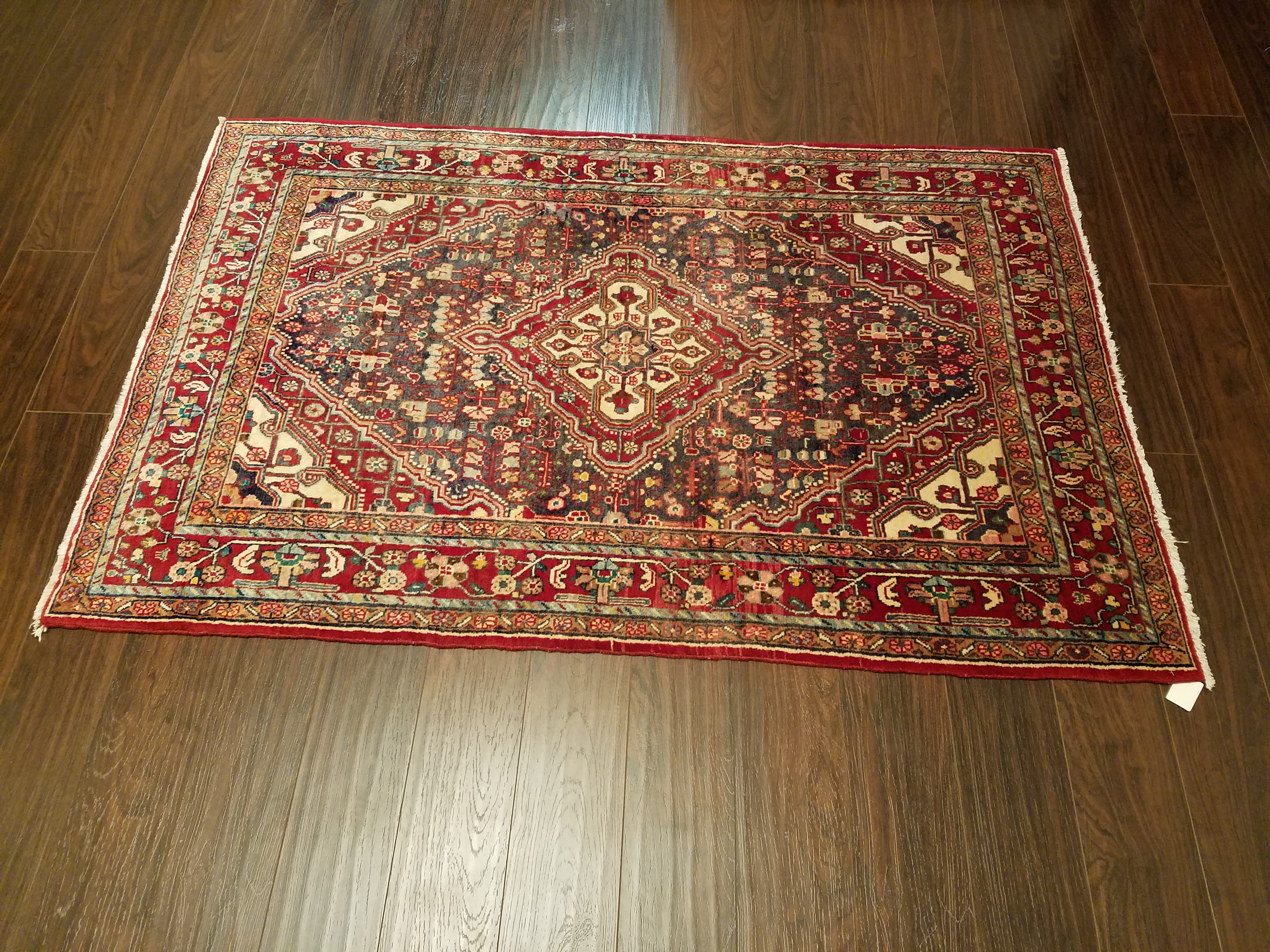

In the world of handmade Persian rugs, few characteristics spark as much discussion as abrash. To some collectors and enthusiasts, abrash is a sign of authenticity and charm. To others, it may appear as an inconsistency or flaw. Understanding what abrash is—and why it occurs—can help buyers and collectors better appreciate the story behind each handwoven piece.
What Is Abrash?
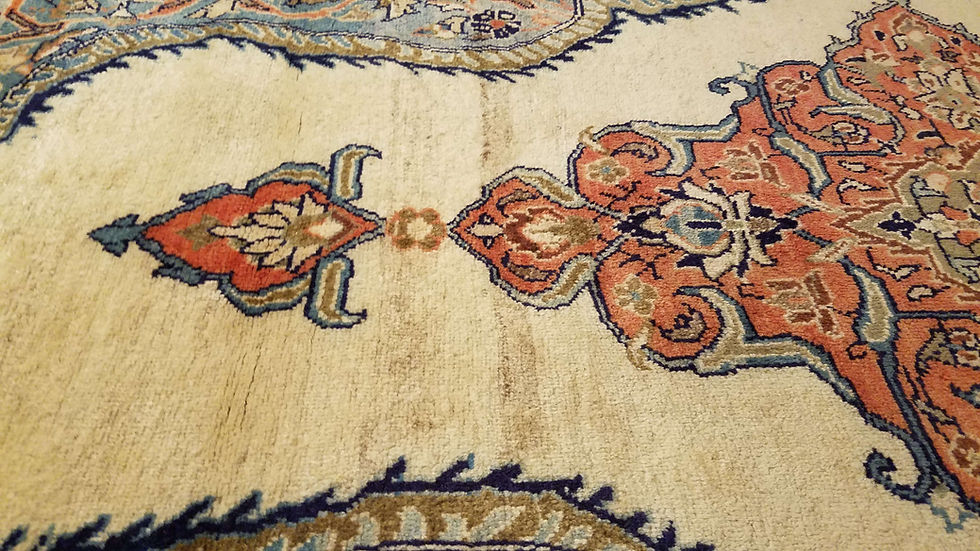
Abrash refers to visible variations in color within the same field or design area of a rug. Instead of a perfectly uniform shade, you may notice subtle (or sometimes dramatic) shifts in tone across a section of the rug. These changes can appear as horizontal bands, soft gradients, or irregular patches depending on how and where the color variation occurs.
In handmade rugs, abrash is not accidental in the modern sense—it is a natural byproduct of traditional weaving practices, especially in village and nomadic settings.
The Origins of Rug Abrash in Village and Nomadic Weaving
Abrash is most commonly associated with rugs woven in rural villages or by nomadic tribes. Unlike large workshop productions, where materials are carefully standardized, village and tribal weavers often work with limited resources.
Traditionally, wool is dyed in small batches using natural dyes derived from plants, roots, insects, and minerals. Even when using the same dye materials, it is extremely difficult to reproduce an identical shade across multiple dye lots. Factors such as water composition, temperature, dye concentration, and even the time of year can subtly influence the final color.
As a result, when a weaver runs out of one batch of dyed wool during the weaving process, they must continue with another batch that may differ slightly in tone. This transition creates the characteristic color variation known as abrash.
Rather than being seen as a defect, this type of abrash is often appreciated as evidence of the rug’s handmade origin. It reflects the human element behind the weaving process—decisions made in real time, using the materials available.
A Mark of Authenticity and Character
Many collectors value abrash because it adds depth and movement to a rug’s design. Instead of a flat, uniform field, abrash introduces subtle shifts that can make colors appear richer and more dynamic.
In certain styles—particularly tribal and village rugs—abrash is not only accepted but expected. It contributes to the individuality of each piece, ensuring that no two rugs are exactly alike. For those who appreciate the artistry of handmade textiles, abrash can enhance the visual and historical appeal of a rug.
However, not all abrash is created equal.


Abrash Caused by Repairs and Restoration
While natural abrash from the original weaving process is often desirable, color variation can also occur later in a rug’s life through repairs and restoration.
Hand-knotted rugs are durable, but over time they can suffer from wear, damage, or deterioration. Common issues include worn pile, holes, tears, or damage caused by foot traffic, pets, or environmental conditions. Skilled restorers can reweave sections of a rug to stabilize and preserve it, but matching the original colors perfectly is a significant challenge.
Even with great care, replacement wool may differ slightly in tone from the original dyes. This can result in localized abrash that appears as a patch or area of uneven coloration. In some cases, the difference is subtle and blends well with the surrounding design. In others, it may stand out more clearly.

Patching and Its Visual Impact
A more noticeable form of color inconsistency can occur when a rug has been patched. Patching involves inserting a section from another rug into a damaged area, rather than reweaving it knot by knot. While this can be an effective structural solution, it often introduces a distinct difference in color, pattern, and wear.
Because the inserted piece comes from a different rug—possibly with a different dye lot, age, or weaving style—the result can appear visually disconnected from the original design. This type of alteration may disrupt the harmony of the pattern and, in some cases, create an effect that collectors find less appealing.
For buyers, it is important to distinguish between natural abrash and color changes caused by repairs or patching. The former tells the story of the rug’s creation, while the latter reflects its history of use and restoration.
When Abrash Becomes a Concern
Not all color variation is viewed positively. In more formal or workshop-produced Persian rugs—where symmetry and precision are emphasized—uniform color is typically expected. In these cases, noticeable abrash may be seen as a deviation from the intended design.
Similarly, abrupt or poorly integrated color changes caused by repairs can detract from a rug’s overall aesthetic. Large patches, mismatched dyes, or uneven restoration work may reduce both visual appeal and value, particularly for collectors seeking high levels of refinement.
That said, context matters. In rustic or tribal pieces, even pronounced abrash can feel natural and appropriate. In finely woven city rugs, the same level of variation might stand out as inconsistent.
Evaluating Abrash as a Buyer or Collector
When considering a rug with abrash, it helps to ask a few key questions:
Is the color variation consistent with the rug’s origin?
Village and tribal rugs often display natural abrash, while workshop rugs typically do not.
Does the abrash enhance or disrupt the design?
Subtle shifts can add depth, while harsh transitions may feel distracting.
Is the variation original or the result of repair?
Examining the back of the rug can often reveal whether an area has been rewoven or patched.
How does it affect your personal preference?
Ultimately, the value of abrash depends on what you find visually appealing.
Embracing the Story Within the Rug
Abrash is a reminder that handmade rugs are not mass-produced objects—they are works of art shaped by human hands, natural materials, and time. Whether it appears as a gentle variation in a village-woven field or as evidence of a rug’s long life and repair, abrash tells a story.
For some, that story is part of the rug’s charm. For others, it may be a feature to approach with more caution. Either way, understanding abrash allows you to make more informed decisions and develop a deeper appreciation for the craftsmanship behind Persian rugs.
In the end, abrash is neither inherently good nor bad. It is simply one of the many characteristics that make each handmade rug unique—a visual record of its creation, its use, and its journey over time.


Comments