


13 Reasons Why Handmade Rugs are Better than Machine-made
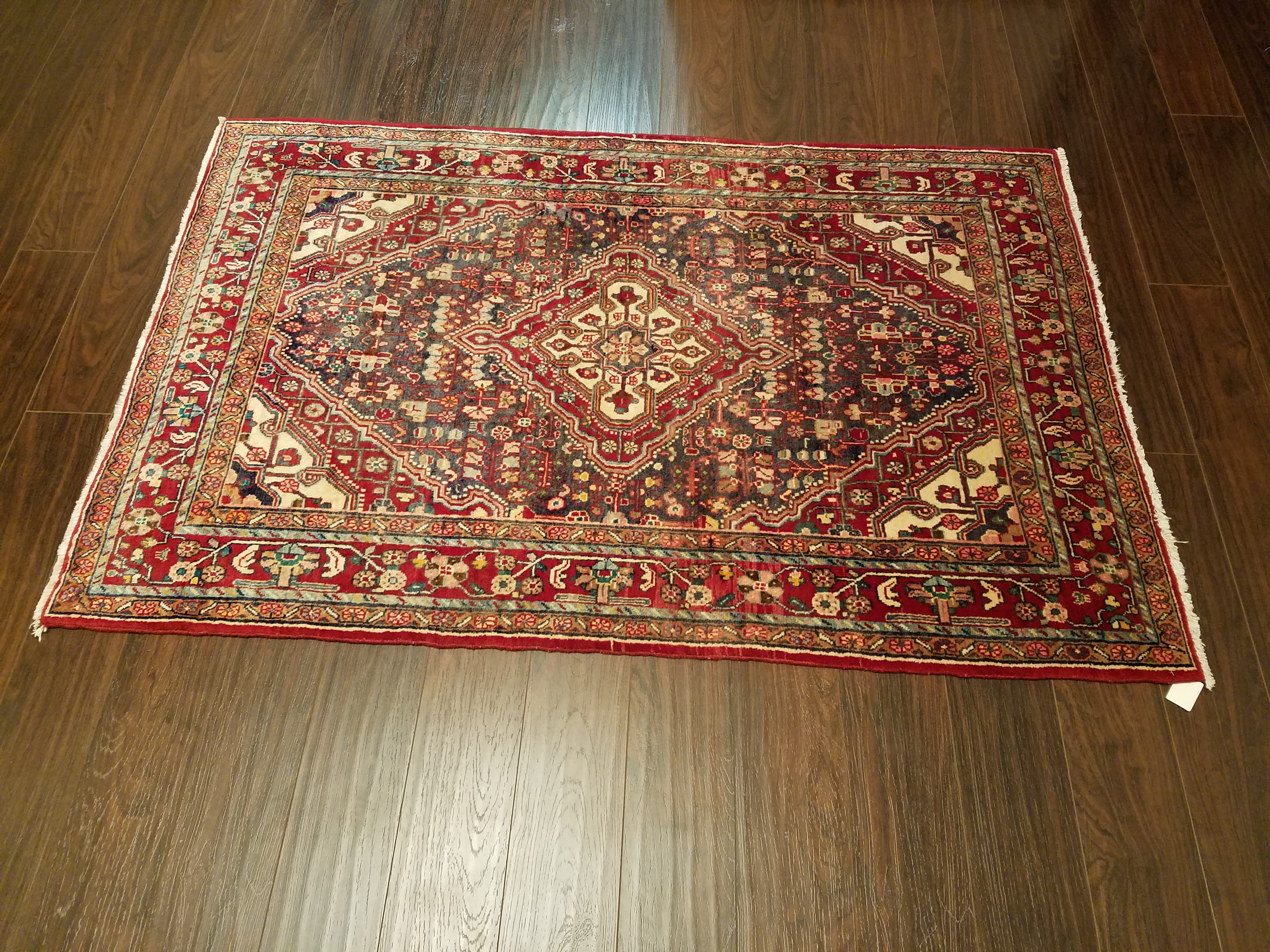
1. Superior Craftsmanship
In rug weaving, two primary knots are used: the symmetrical knot (Turkish or Ghiordes) and the asymmetrical knot (Persian or Senneh). The symmetrical knot is tied around two warp threads, creating a durable, balanced structure ideal for high-traffic areas. It produces a thicker pile and enhances longevity, making it popular in Turkish and Caucasian rugs. The asymmetrical knot, tied around one warp and half of the adjacent, allows finer detail and higher knot density. This technique enables intricate patterns and delicate designs, often seen in Persian rugs. Both knots offer unique advantages—strength versus precision—shaping a rug’s beauty and function.

2. Longevity & Durability
Quality hand-knotted rugs are known for their durability, often outlasting their machine-made counterparts. Knot after knot is tied by hand and packed down with a comb, creating a dense, robust structure that withstands the stresses of daily use. One fine example is Bijar rugs, originating from the Kurdish town of Bijar in northwest Iran, are renowned for their exceptional durability and craftsmanship. Woven using a wet technique and compressed with metal tools, these rugs feature dense, tightly packed piles that contribute to their nickname, "Iron Rugs." With knot densities ranging from 165 to over 400 per square inch, Bijar rugs are among the most robust Persian carpets, capable of withstanding centuries of use.
In contrast, machine-made carpets are produced quickly and lack the same structural integrity, often wearing down within a decade. The synthetic materials commonly used in machine carpets are more prone to fading, fraying, and losing their pile. A hand-knotted rug, woven with natural fibers like wool or silk, not only endures but also gains character and value as it ages.

3. Unique & One-of-a-Kind
Hand-knotted rugs are truly one-of-a-kind masterpieces, worthy of use and display, each reflecting the artistry and expertise of the weaver. Unlike machine-made carpets, no two hand-knotted rugs are identical, as every knot is tied individually by hand. This intricate process allows for subtle variations in pattern, color, and texture, creating a unique character in each piece. The human touch ensures that even when two rugs share the same design, their details differ slightly, making them exclusive works of art. Collectors and homeowners value these rugs not just for their durability and beauty, but for their individuality, knowing they own something completely original.
4. Natural Materials
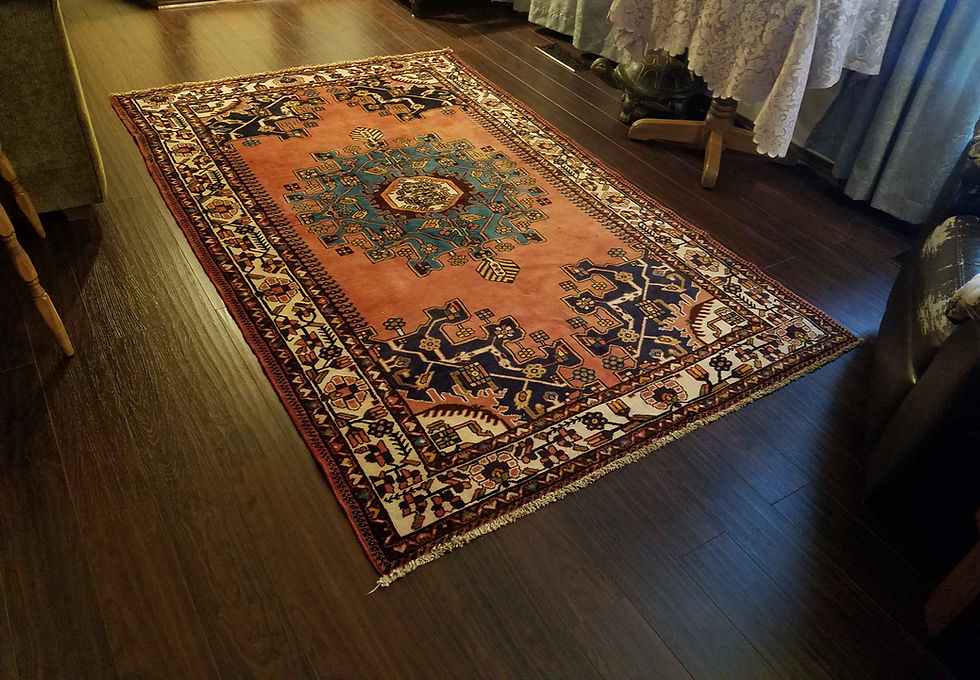
Handmade rugs are methodically crafted using natural materials such as wool, silk, or cotton. The process begins with preparing high-quality fibers, which are hand-spun into durable yarn and often dyed with natural plant or mineral-based dyes. The foundation is set on a loom with vertical warp threads, and artisans tie each knot by hand around these warps, creating intricate patterns. Horizontal weft threads are inserted to secure the knots tightly. This labor-intensive process can take months or years based on the complexity of the design and dimensions. The result is a durable, eco-friendly rug that embodies artistry, tradition, and natural beauty.
5. Richer Colors
Many Oriental rugs produced today continue the centuries-old tradition of using natural dyes derived from plants, roots, minerals, and insects. These dyes create rich, earthy tones that synthetic alternatives cannot fully replicate. Unlike chemical dyes, natural colors age gracefully, developing a soft patina that enhances the rug’s charm and uniqueness over time. Shades of red, blue, yellow, and green subtly evolve, deepening or fading depending on light and wear, adding layers of character to the design. This natural aging process ensures that every rug tells its own story, making each piece more beautiful, distinctive, and treasured as the years pass.


6. Investment Value
Oriental rugs have been Longley desired for their artistic beauty, craftsmanship, and cultural significance, but they also hold unique investment potential. Unlike mass-produced carpets, hand-knotted Oriental rugs are created from natural materials and dyes, often reflecting centuries-old traditions. However, it is important for buyers to recognize that not all rugs increase in value and understand the many variables that can impact an Oriental rug’s value. Many rugs retain their worth over time, particularly when well cared for, while select pieces may appreciate depending on rarity, craftsmanship, and provenance.
Overall condition plays a crucial role in determining a rug’s value. A rug with vibrant colors, intact pile, and minimal restoration will command higher interest than one with heavy wear. Regular maintenance—such as careful cleaning and proper storage—can preserve both beauty and value.
Another factor influencing investment potential is age. While a rug may hold value during its early years, once it reaches the 100-year mark, it can be reclassified as an antique. This designation often brings a substantial increase in worth, particularly if the rug represents a distinguished weaving tradition.
For collectors and investors alike, Oriental rugs offer more than decorative appeal. With careful selection, knowledge, and preservation, they can serve as lasting assets, combining functional art with the possibility of long-term financial growth.
7. Cultural Heritage
Rug weaving has long been more than a craft—it is a cultural tradition deeply woven into the lives of communities around the world. Each region brings its own customs, stories, and symbolism into the process. In Persia, rug weaving is often a family tradition, passed down through generations, with mothers teaching daughters intricate knotting techniques. The motifs used are not random; they frequently carry meanings tied to fertility, protection, or blessings for the home. In Turkey, village women gather to weave as a communal activity, with patterns reflecting tribal identity or local history. These rugs often serve as dowry items, symbolizing a bride’s skill and dedication.
In the Caucasus, rug weaving is intertwined with folklore, where geometric motifs often represent natural elements like mountains or rivers. Similarly, in Morocco, Berber women weave rugs as personal expressions, embedding symbols that mark life events, spiritual beliefs, or aspirations. In India, rug production has been influenced by Persian traditions, but with unique adaptations, often incorporating bright colors and local motifs. Beyond their functional use, rugs often act as cultural documents, recording the heritage of their makers. Through weaving, these traditions preserve community identity, while each rug tells a timeless story of the people behind the craft.
8. Repairable
Repairing a handmade rug differs greatly from repairing a machine-made rug due to the way each is constructed. Handmade rugs, particularly hand-knotted pieces, are created with individual knots tied to the foundation, allowing for precise repairs that restore both structure and design. A skilled weaver can re-knot damaged areas, reweave worn sections, or secure loose fringes, often making the repair nearly invisible. Because of this, handmade rugs can be restored to last for generations.
Machine-made rugs, however, lack this flexibility. They are typically produced with synthetic materials and glued or tufted backings. When damaged, these rugs cannot be re-knotted or rewoven. Repairs are often limited to patching, binding, or replacing sections, which may be noticeable and less durable. In many cases, repair costs may outweigh the rug’s value. Ultimately, handmade rugs are far more repairable and resilient, reinforcing their long-term value compared to machine-made counterparts.


9. Softer Underfoot
Hand-knotted rugs, often constructed from natural materials like cotton, wool, or silk, offer a level of comfort that machine-made rugs with synthetic materials simply cannot match. The natural fibers provide softness underfoot, breathable warmth, and a luxurious sense that can endure with age. Each knot in a handmade rug creates a dense, cushioned pile that adapts naturally to use while remaining inviting to walk on. In contrast, machine-made rugs made from synthetic materials may initially feel soft, but they lack the lasting resilience and warmth of natural fibers, often flattening over time and losing their original comfort and texture.

10. Eco-Friendly
Handmade rugs use sustainable, biodegradable materials and low-impact dyeing processes, unlike machine-made rugs that rely on petroleum-based fibers.
Hand-knotted rugs offer more than just beauty and comfort—they also provide significant eco-friendly benefits. Unlike many machine-made rugs, which often rely on synthetic fibers and energy-intensive production processes, handmade rugs are crafted from natural materials such as wool, cotton, and silk. These materials are decomposable, reducing environmental impact at the end of the rug’s life.
Several countries have embraced the sustainable practice of recycling wool clothing to create high-quality rugs. Old wool garments are collected, sorted, and cleaned before being processed into fibers suitable for weaving or felting. This eco-friendly approach reduces textile waste while preserving the natural durability and warmth of wool. Countries with strong textile traditions, such as India, Turkey, Afghanistan, and parts of Scandinavia, often transform discarded wool into vibrant, hand-crafted rugs. Each rug carries a story, blending different textures and colors from recycled fabrics. This practice not only supports environmental sustainability; it reduces material costs while enriching weaver creativity through unique patterns and one-of-a-kind designs.
The production of handmade rugs supports low-energy, traditional weaving techniques. Artisans use hand-knotting or hand-tufting methods that require minimal machinery and electricity, making the process far more sustainable than industrial rug manufacturing. Additionally, handmade rugs are often made to last for decades, reducing the need for replacement, which minimizes overall waste.
Many handwoven rugs continue to use natural dyes derived from plants, roots, and insects, which have less impact on the environment compared to synthetic dyes which can pollute waterways. Choosing handmade rugs supports not only sustainable materials and methods but also local economies and traditional crafts, preserving centuries-old techniques.
In a world increasingly concerned with environmental impact, investing in a handmade rug is a small yet meaningful step toward sustainability, offering a durable, natural, and eco-conscious addition to any home.

11. Better Aging
Handmade rugs age gracefully, developing a unique patina over time due to natural fibers and dyes. Their hand-knotted construction allows them to retain durability, even with decades of use, and the colors often mellow beautifully, adding character and charm. In contrast, machine-made rugs, often made with synthetic fibers, tend to show wear faster. Their colors may fade unevenly, and edges or patterns can fray or unravel more quickly. While machine-made rugs may offer short-term affordability, handmade rugs grow more valuable and visually appealing with age.
12. Intricate Designs
Hand-knotted rugs are celebrated for their intricate designs, which emerge from the meticulous knot-by-knot weaving process. Each knot acts like a pixel, allowing weavers to create highly detailed patterns ranging from floral motifs to geometric arrangements. The precision of this craft makes it possible to produce flowing medallions, complex borders, and symbolic imagery passed down through generations. The richness of these patterns, combined with natural dyes and fine materials, results in rugs that are visually striking and truly one-of-a-kind.

13. Prestige & Authenticity
Owning a hand-knotted rug is a statement of both taste and sophistication, reflecting an appreciation for artistry and tradition. Each rug is meticulously crafted by skilled artisans, often taking months or even years to complete, ensuring that no two pieces are ever exactly alike. This painstaking process imbues the rug with a level of authenticity and prestige not found in machine-made alternatives.
A highly unique hand-knotted rug serves as more than just a floor covering; it becomes a centerpiece of a room, effortlessly drawing attention and sparking conversation. Its intricate patterns, rich textures, and harmonious colors can complement existing décor while simultaneously telling a story of cultural heritage and craftsmanship. Collectors and interior design enthusiasts alike recognize the prestige associated with these rugs, appreciating their ability to elevate any space with understated elegance.
We hope you have enjoyed reading our list of 13 Reasons Handmade Rugs are Better than Machine-Made. Please share & subscribe!
Comments