


Layering Oriental Rugs Over Carpet: A Stylish and Practical Design Strategy
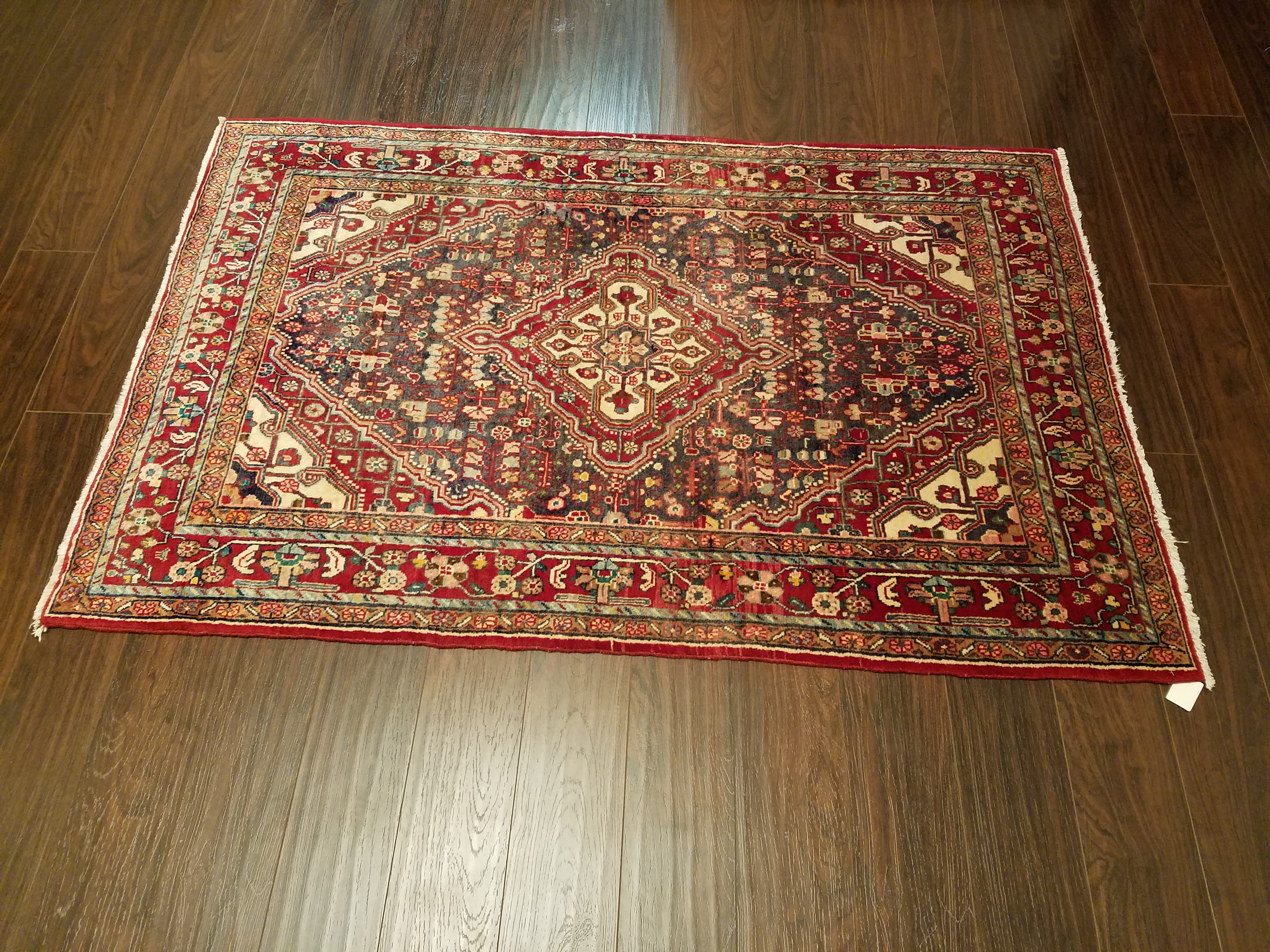

When most people picture an Oriental rug, they imagine it beautifully laid over hardwood or tile. But what if your home has wall-to-wall carpeting?
Many homeowners wonder whether placing rugs over carpet is recommended. The truth is, using rugs on a carpet is not only acceptable — it’s a smart, stylish, and increasingly popular design solution.
Layering Oriental rugs over carpet has grown in popularity, especially in modern homes where large, carpeted spaces can feel plain or unfinished. Carpet is often uniform in color and texture, but a hand-knotted Persian rug introduces visual richness, culture, and artistry that instantly elevates the room. The result is a more dynamic and inviting space without the need to replace existing flooring.
One of the biggest advantages of using rugs over carpet is the striking design transformation they deliver. Carpet — especially the builder-grade styles common in many homes — tends to lack character. An Oriental rug, with its bold patterns and centuries-old weaving traditions, becomes a natural focal point. No two handmade rugs are identical, so adding one brings personality and uniqueness into the room.
Layering rugs on a carpet also helps define areas within open floor plans. A rug anchors seating arrangements in living rooms, sets apart dining room spaces, and makes bedrooms feel warmer and more finished. Instead of a single, wide sea of carpet, the room gains structure and purpose.
Comfort is another key benefit. Carpet is soft, but wool — the primary fiber in most Oriental rugs — has a natural springiness and temperature-regulating quality that feels luxurious underfoot. The combination creates an incredibly cozy surface, ideal for family rooms, play areas, and anywhere people gather.
There’s an additional practical perk: placing rugs over carpet helps protect the carpet underneath. High-traffic areas often show wear first. By adding a rug, you reduce friction and impact on the carpet, extending its life and keeping the room looking fresher longer.
Of course, there are some considerations to keep in mind. One challenge with layering rugs on a carpet is potential shifting or bunching. To avoid wrinkling or tripping hazards, a proper rug pad designed specifically for carpeted flooring is essential. These pads grip the carpet fibers beneath and provide a stable, smooth surface that keeps the rug in place. They also add a bit of cushion — but not so much that the rug floats on top.
Carpet type matters too. Low-pile and Berber carpets provide an excellent foundation for layered rugs. Plush or high-pile carpets can make the rug feel unstable, but choosing a heavier handmade rug and a firm pad usually solves the issue. Anchoring the rug with furniture legs further prevents movement.
Another important factor is moisture. If an Oriental rug becomes damp — from spills, pet accidents, or even cleaning — there is a possibility of dyes transferring to the carpet below. For that reason, it is highly recommended to have a divider or rug pad between the rug and the carpet. Breathable pads allow airflow and help prevent moisture from getting trapped while also reducing the risk of dye bleeding.
Cleaning and maintenance are simple but important. Layered flooring can trap dust between the rug and the carpet, so regular vacuuming is crucial. Lifting the rug to clean beneath it every so often keeps everything fresh. Rotating the rug annually promotes even wear, and professional cleaning every few years restores color and softness — especially for hand-knotted wool rugs.
Surprisingly, placing rugs over carpet can even help preserve the Oriental rug itself. A carpeted surface is softer than hard flooring, reducing friction on the rug foundation and knots. This gentle support helps ensure that the rug maintains its integrity and beauty for decades.
Perhaps the most compelling reason to layer rugs is the ability to express personal style. A neutral carpet becomes the perfect backdrop for the dramatic medallions of a Persian Kashan, the bold geometric motifs of a Heriz, or the rustic charm of a tribal Hamadan rug. Even patterned carpet can work beautifully with the right rug — just choose a design that complements rather than competes.
In the end, using rugs on a carpet merges practicality with timeless elegance. It enhances comfort, protects flooring, provides better layout structure, and celebrates authentic craftsmanship. Whether upgrading décor in a single room or refreshing your entire home, layering an Oriental rug is one of the easiest ways to make a big impact.
At ShopPersianRugs.com, we proudly offer a curated selection of handcrafted rugs perfect for layering, styling, and daily life. Whether you have hardwood, tile — or carpet everywhere — we’re here to help you choose a rug that brings warmth, culture, and unmatched beauty to your home.


Comments