


Why Green Rugs Aren’t Only for the Gods
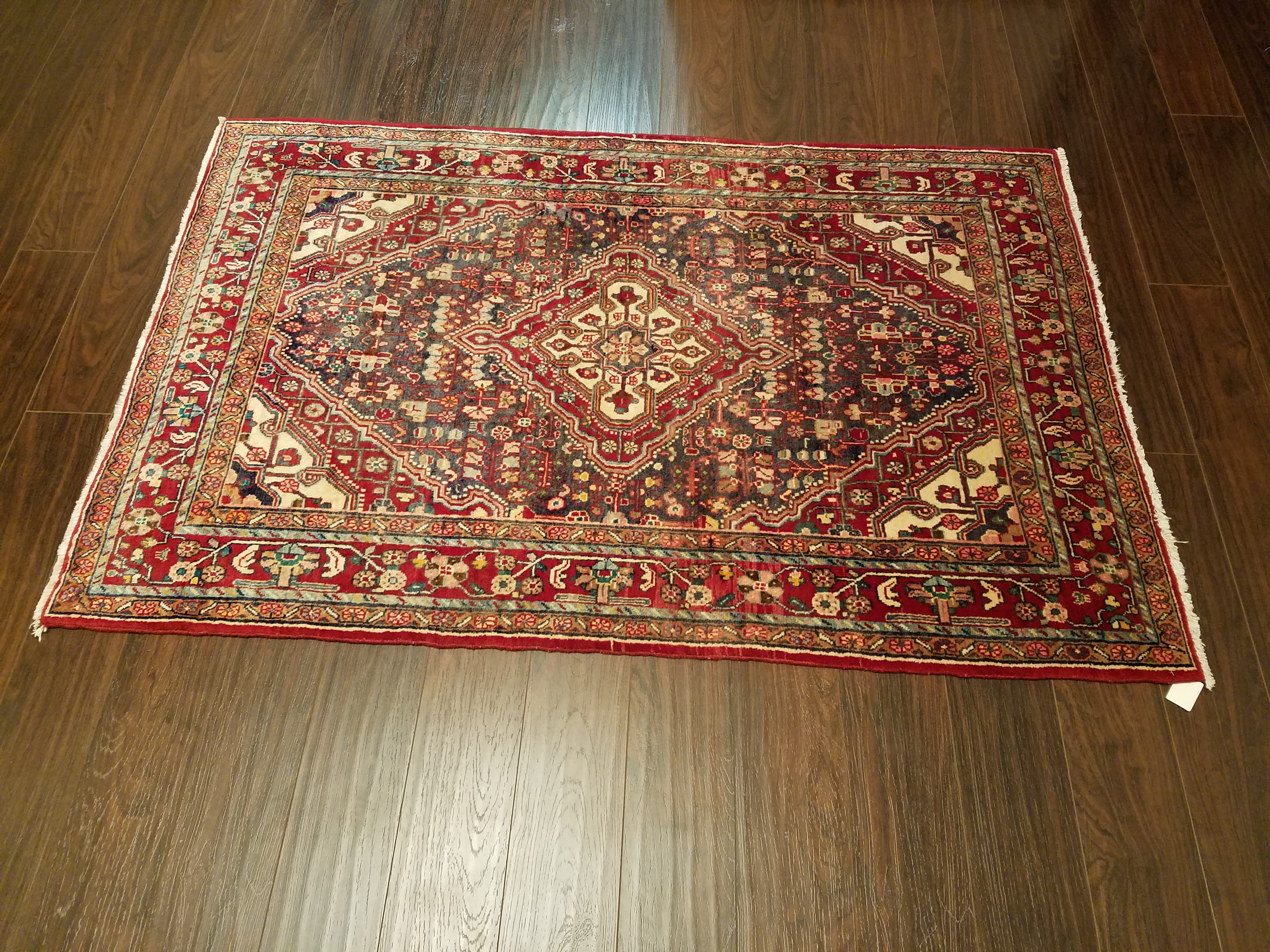
The Myth of Green: A Color Reserved for the Divine
For centuries, green has held an almost sacred position in the world of Persian art and culture. In ancient Iran—and across much of the Middle East—green wasn’t just a color. It was the color: a symbol of life, paradise, and divine connection. In Islamic tradition, it’s said that green is the favorite color of the Prophet Muhammad, representing renewal and eternal peace. Because of that reverence, green was often reserved for religious textiles, mosques, and even the garments of holy men.
So while crimson fields, deep indigo medallions, and saffron borders danced across countless carpets, green threads were used sparingly—like a secret whisper of heaven woven into the earthly world beneath your feet. Only the most skilled weavers dared to incorporate it, and even then, just enough to honor the divine without overstepping into hubris.
But here’s the twist: in today’s world, the “green rug” is making a comeback—and not just as a color.

Going Green the Earthly Way
At ShopPersianRugs.com, we think “green” doesn’t need to stay in the clouds. It’s time to bring it home—literally. When we talk about green rugs now, we’re also talking about sustainability, natural materials, and centuries-old craftsmanship that respects both the planet and the people who live on it.
Wool Oriental rugs, handwoven from natural fibers, are about as “green” as it gets—without the divine intervention. They’re biodegradable, renewable, and environmentally friendly from the moment the first strand is spun to the day it finally returns to the earth.
Here’s why investing in a genuine wool rug is one of the most sustainable decisions you can make for your home (and maybe even your karma).

1. Wool: The Renewable Miracle Fiber is Green for the Environment
Wool isn’t just soft, warm, and luxurious—it’s nature’s engineering masterpiece. Each fiber is coated with lanolin, a natural oil that makes it resistant to moisture, dust, and even some stains. It’s a self-cleaning, durable, and renewable material that comes from sheep who get haircuts once or twice a year—no harm done, and no synthetic factory fumes required.
Compare that to machine-made rugs spun from petroleum-based synthetics. They might look good for a year or two, but when their short lifespan ends, they’ll spend centuries in a landfill. Wool rugs, on the other hand, last generations. In fact, many Persian and Oriental rugs become more valuable over time, developing patina and character the way fine wine improves with age.

2. Dyeing Naturally—The Ancient Way
Traditional weavers don’t rely on toxic industrial dyes. They use nature’s palette: roots, berries, bark, insects, and minerals. That luminous green you see in some antique carpets? It might come from walnut husks, pomegranate skins, or even the fabled indigo-over-yellow layering technique—where artisans achieve a deep, sacred green by dyeing twice, using completely natural sources.
Modern synthetic dyes, by contrast, often pollute water systems and rely on heavy chemicals. When you choose a hand-knotted wool rug made with vegetable dyes, you’re honoring a 2,500-year-old art form that worked with nature, not against it.
It’s a little ironic, isn’t it? The color once reserved for the gods is now the color that protects their creation.
3. Durability Equals Sustainability
A real Oriental rug is not a disposable product—it’s a lifelong companion. Many families pass them down through generations. Wool’s natural elasticity means that fibers can bounce back from years (or decades) of footsteps without losing their beauty.
Think of it this way: every time you buy a single handmade rug that lasts 80 years, you’ve potentially prevented the production (and disposal) of ten or more synthetic rugs in the same time frame. That’s a serious environmental win—and one that also happens to look stunning beneath your dining table.
So yes, green rugs are divine—but they’re also practical.


4. A Natural Air Purifier for Your Home
It might surprise you, but wool rugs actually help clean the air inside your home. The fibers trap dust, pollen, and airborne toxins until they’re vacuumed up—unlike synthetic carpets that release volatile organic compounds (VOCs) and microplastics over time.
In other words, wool rugs don’t just decorate your home—they defend it. The gods might have used green to symbolize paradise, but we’ll take clean air and natural comfort as our own form of earthly bliss.
5. Biodegradable and Ethical; Green from Start to Finish
When a wool rug finally reaches the end of its long, beautiful life, it doesn’t leave a trace of guilt behind. Wool is 100% biodegradable, returning nutrients to the soil instead of leaching chemicals into it.
Many of the artisans who weave Oriental rugs also live in harmony with their environment. Their looms are often powered by nothing more than human hands and the rhythm of tradition. Buying a handwoven rug supports sustainable rural economies, preserves cultural heritage, and keeps alive an art form that’s far more eco-friendly than mass manufacturing could ever be.
So yes—your rug might just be greener than your hybrid SUV.


6. A Touch of Humor in the Green Rug Revival
Of course, we can’t ignore the mythology. Imagine a divine council thousands of years ago:
“Only the gods may use green! “Why?” “Because it’s heavenly!” “Well, can’t we at least use it for the living room border?”
Times have changed. You no longer need divine permission to roll out a green masterpiece. Whether it’s an emerald Bakhtiari medallion, a moss-toned Tabriz, or a muted sage Heriz, the color once reserved for paradise now pairs beautifully with hardwood floors and indoor plants.
Green is balance. Green is calm. Green is that Sunday-morning cup of tea in a room filled with sunlight. And if the gods disapprove, they can take it up with your decorator.
7. The New “Green” Revolution: Conscious Living
Today’s buyers are rediscovering what ancient weavers always knew: luxury and sustainability aren’t opposites—they’re partners. Owning a handwoven wool rug isn’t just about having something beautiful underfoot. It’s a quiet act of rebellion against disposable culture.
You’re saying no to mass production, no to plastic fibers, and yes to artistry, longevity, and environmental respect.
When you invest in a wool Oriental rug, you’re investing in the planet, in craftsmanship, and in yourself. And if it happens to be green—well, that’s just poetic justice.
Closing Thoughts: From Heaven to Home
So maybe the gods had a point. Green is special. It’s the color of life, growth, and renewal. But it’s also the color of awareness—of understanding that what we place in our homes affects the world beyond our walls.
At ShopPersianRugs.com, we celebrate that connection every day. Our handwoven rugs, made from natural wool and dyed with centuries-old methods, are proof that beauty and sustainability can walk hand in hand.
You don’t have to be divine to appreciate the green. You just have to care about the earth beneath your feet.
After all, if the gods won’t share their color, we’ll weave our own paradise—one green rug at a time.


Comments