


The Allure of the Black Persian Rug: Elegance, Symbolism, and Timeless Versatility
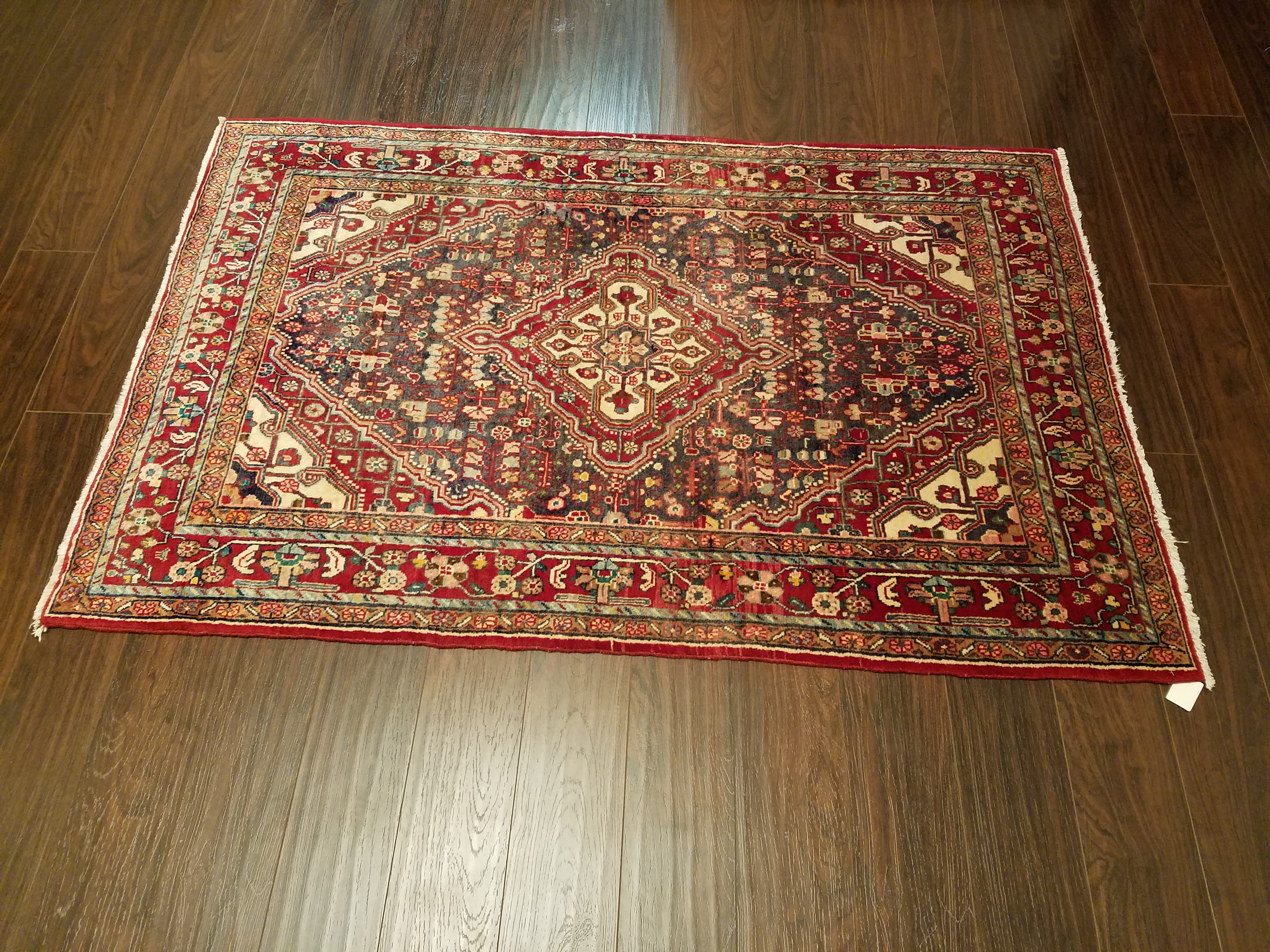

Few things in home décor command presence quite like a black Persian rug. Whether laid across gleaming hardwood, resting beneath a glass dining table, or defining a quiet corner of a library, a black rug’s deep tones exude sophistication and power. When that black rug is hand-knotted in Iran, woven from wool and imbued with centuries of cultural symbolism, it becomes more than décor—it becomes a statement of history, art, and heritage.
The Symbolism of Black in Persian Rug Weaving
In Persian art and poetry, colors carry deep meaning. Black is not merely the absence of color—it symbolizes mystery, depth, endurance, and respect. In Persian weaving traditions, black was often used to frame lighter motifs, creating contrast and grounding the intricate geometry or floral medallions within the field.
Historically, black dyes were derived from walnut husks, oak galls, and iron-rich mud, each providing unique undertones of charcoal, onyx, or soft smoke. These natural dyes aged gracefully, producing subtle gradations that make antique black rugs particularly sought after. A black background in Persian rugs was often chosen to highlight intricate designs—vibrant reds, golds, and ivories seem to glow against its dark base.
Craftsmanship and the Weaving Tradition
Every black Persian rug begins as a vision. The weaver selects natural wool or silk, the warp and weft are stretched tight on a loom, and each knot—sometimes over a million per rug—is tied by hand.

The Persian knot, or Senneh knot, also the Asymmetrical Knot, allows extraordinary detail, especially important for darker rugs where contrast defines the pattern. Black rugs from regions like Tabriz, Kashan, Nain, and Hamadan often feature ivory medallions or floral arabesques, showcasing the weaver’s mastery of symmetry and composition.
In areas such as Bidjar, known as “The Iron Rug of Persia,” black fields are common because the dense double-weft construction makes the colors appear deeper and richer. Malayer and Sarouk rugs, too, often incorporate midnight or espresso tones within their borders to create visual weight and elegance.
Aesthetic Versatility in Modern Interiors
The resurgence of the black Persian rug in contemporary design is no accident. Designers are drawn to its dramatic contrast and ability to anchor a space. In a minimalist room, a black rug with subtle motifs provides texture and warmth without overwhelming the palette. In a traditional setting, it enhances the richness of wood, brass, and leather.
Black rugs also adapt beautifully to modern lifestyles. They’re practical—dark wool naturally resists showing dirt and wear, making them ideal for high-traffic areas like living rooms, entryways, and offices. Yet they never feel utilitarian; instead, they embody luxury and culture simultaneously.
A black Persian rug pairs seamlessly with almost any décor:
White or neutral walls: for a crisp, gallery-like balance.
Vibrant furniture: to make colors pop against the dark foundation.
Industrial or urban spaces: for contrast against metal and concrete textures.
Investment and Rarity
Authentic black Persian rugs are less common than their red or blue counterparts. Because achieving a consistent, lasting black dye is technically demanding, only master dyers and weavers attempt it. That rarity adds both investment value and collectible appeal.
Over time, a genuine hand-knotted black rug acquires a patina that softens its tones while enhancing its design’s depth. Unlike machine-made carpets, these rugs age beautifully increasing in both character and market value. Collectors often seek older black pieces from Hamadan or Kashan that showcase fading from jet black to graphite, proof of their natural dye origins.


Comments