


Oriental Rug Types: A Guide to the World’s Most Exquisite Weavings
Updated: Oct 30, 2025

Oriental rugs have enchanted the world for centuries. From the intricate medallions of Persia to the bold geometrics of the Caucasus, these handmade masterpieces tell stories of culture, craftsmanship, and history. Each region has its own signature style — shaped by climate, natural dyes, materials, and centuries of weaving tradition. Understanding the different types of Oriental rugs helps collectors, decorators, and enthusiasts appreciate the artistry and authenticity that make each piece unique.
Below, we’ll explore the main types of Oriental rugs — their origins, characteristics, and what makes them so special.
Persian Rugs: The Heart of Oriental Weaving
No discussion of Oriental rugs is complete without Persian rugs. Persia (modern-day Iran) has been the world’s leading rug-producing nation for over 2,500 years. Each Persian rug is a blend of local heritage, artistry, and technical excellence — with distinct regional styles that make them endlessly fascinating to study.
Key Persian Rug Types
Tabriz Rugs Originating from the city of Tabriz in northwestern Iran, these rugs are known for their precision, balanced compositions, and remarkable detail. Many feature central medallions surrounded by floral or garden motifs. The quality of weaving is among the highest in the world, with some Tabriz rugs boasting over 400 knots per square inch.


Isfahan Rugs Isfahan weavers are famous for their fine silk-and-wool blends, luxurious materials, and formal floral designs inspired by Persian gardens and mosques. The colors are often soft and elegant — ivory, navy, and burgundy — making them highly collectible.

Kashan Rugs Kashan produces some of the most recognizable Persian designs, often with a rich red field and central medallion surrounded by arabesque motifs. Traditional Kashan rugs use high-quality kurk wool and are symmetrical and balanced.
Heriz Rugs From northwest Iran, Heriz rugs are durable and bold, with strong geometric medallions and rich earth tones. The wool is thick and resilient, making these rugs ideal for high-traffic spaces. Their rugged, masculine style is highly sought after for modern interiors.


Nain Rugs Known for their ivory and blue palettes, Nain rugs are woven with fine wool and silk highlights. They’re often considered the “couture” of Persian weaving, representing elegance and sophistication in every knot.
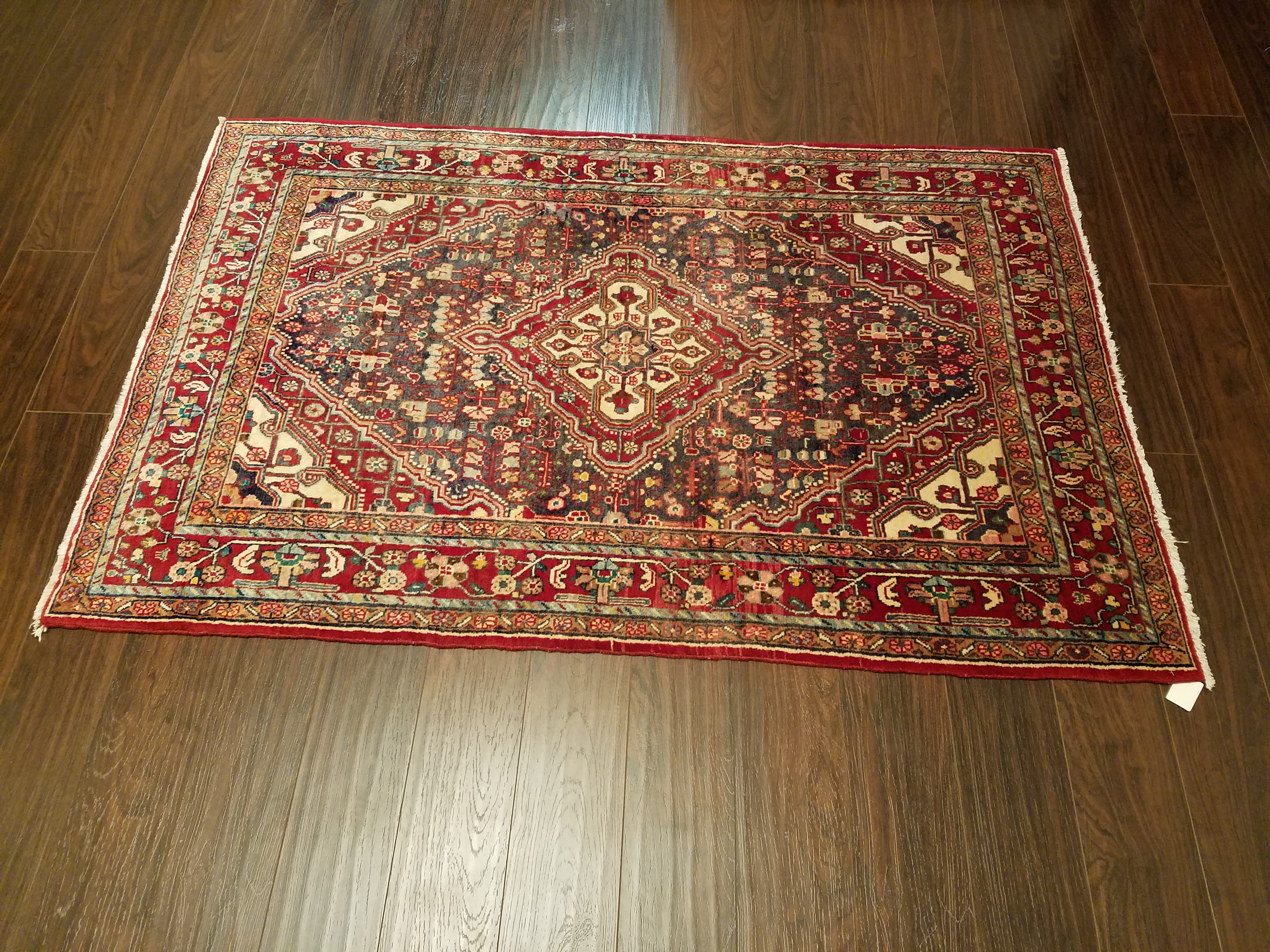
Hamadan Rugs Produced in hundreds of villages across western Iran, Hamadan rugs display an incredible variety of tribal and geometric patterns. They’re typically single-wefted, with strong reds, indigos, and creams — and are known for being both affordable and collectible.
Persian rugs remain the benchmark of quality and artistry. They represent the soul of Oriental rug weaving, offering endless variety and beauty.

Turkish Rugs: The Land of Anatolian Artistry
Across the border in Turkey (historically Anatolia), rug weaving has been practiced for over a thousand years. Turkish rugs are renowned for their bold geometric patterns, warm color palettes, and distinctive Turkish (Ghiordes) knots — a symmetrical knotting style that produces strong, durable carpets.
Notable Turkish Rug Types
Hereke Rugs Handwoven near Istanbul, Hereke rugs are masterpieces of precision, often made of silk or fine wool. The designs are intricate, symmetrical, and incredibly detailed, often incorporating Ottoman floral motifs and royal insignias.
Oushak Rugs Soft, luminous colors and large-scale floral or medallion motifs define Oushak rugs. They’re prized for their decorative appeal, especially in luxury interiors where subtlety and warmth are desired.

Kayseri Rugs Often woven with silk or mercerized cotton, Kayseri rugs have refined, delicate designs — sometimes inspired by Persian patterns. They’re elegant, formal, and ideal for showcasing craftsmanship.

Yahyalı and Bergama Rugs These tribal rugs from central and western Anatolia feature bold reds, blues, and whites, with strong geometric motifs. They embody Turkish village artistry — expressive and enduring.
Caucasian Rugs: Bold Geometry and Tribal Soul
The Caucasus mountains — between the Black Sea and the Caspian Sea — are home to some of the most striking and collectible Oriental rugs. Woven by tribal groups in regions such as Azerbaijan, Armenia, and Dagestan, these carpets are defined by geometric precision, bright natural dyes, and symbolic motifs.
Prominent Caucasian Rug Styles
Kazakh Rugs Known for large geometric medallions, vivid reds and blues, and strong symmetry. Kazakh rugs are thick and durable, ideal for modern spaces that crave character.
Shirvan Rugs Lighter and more intricate than Kazakhs, Shirvans feature smaller medallions, animal motifs, and lattice patterns. Their medium weave and detailed designs make them highly collectible.
Kuba and Karabagh Rugs Kuba rugs from Azerbaijan are compact, with jewel-like colors and angular motifs. Karabagh rugs often show floral patterns influenced by Persian and European art. Both styles are richly symbolic and deeply tied to their mountain heritage.
Caucasian rugs appeal to those who appreciate bold tribal art — pieces that feel ancient yet surprisingly modern in design.
Afghan Rugs: Rustic Beauty and Nomadic Spirit
Afghanistan’s weaving traditions are steeped in tribal identity and history. Afghan rugs are handwoven by Turkmen, Baluchi, and Hazara tribes, often using natural dyes and hand-spun wool.
Popular Afghan Rug Types

Khal Mohammadi Rugs Deep red and black tones, geometric motifs, and silky wool define this type. Named after a famous weaver, these rugs are known for their rich luster and hand-knotted craftsmanship.

Baluchi Rugs Woven by Baluch tribes along the Afghanistan-Iran border, these small-format rugs are distinctively dark with repeating diamond or prayer motifs. They have a rustic charm and are perfect as wall hangings or accent pieces.
Turkoman Rugs The famous “gul” motifs (octagonal medallions) are the hallmark of Turkoman designs. They’re woven with rich red fields, using soft, glossy wool, and are prized by collectors worldwide.

Afghan rugs represent authenticity — the raw beauty of nomadic life translated into wool and color.
Indian Rugs: Tradition Reimagined
India has been producing fine carpets since the Mughal Empire (16th century), when Persian weavers were invited to teach their craft. Today, Indian rugs range from classical Persian-inspired motifs to contemporary, minimalist designs.
Common Indian Rug Styles
Agra Rugs With soft palettes of gold, pink, and green, Agra rugs are luxurious and grand, often used in royal palaces. Their floral and vine motifs echo classic Persian patterns.
Jaipur Rugs Jaipur has become a hub for both traditional and modern rug production, known for fine craftsmanship and ethical weaving practices. The designs range from classic medallions to modern abstracts.
Kashmir Rugs Handwoven in northern India, these are often silk rugs with intricate floral designs and a high knot density. The sheen and texture of Kashmir silk rugs make them stand out as true works of art.
Indian rug makers today often blend traditional Persian methods with global design trends, creating custom-made rugs that bridge history and innovation.
Pakistani Rugs: Precision and Perfection
Pakistan’s rug industry is known for its fine craftsmanship, smooth wool texture, and balanced color harmony. The country produces both traditional and modern patterns, often inspired by Persian and Afghan traditions.
Notable Pakistani Rug Styles
Bokhara Rugs Perhaps the most famous Pakistani type, Bokhara rugs are instantly recognizable by their repeating “gul” motifs and warm, velvety reds. They’re soft, durable, and remarkably consistent in quality.
Peshawar (Chobi) Rugs “Chobi” means “wood” in Farsi, referencing the vegetable dyes used. These rugs are hand-spun, naturally dyed, and feature muted, earthy colors — perfect for contemporary homes.
Pakistani rugs strike a balance between tradition and modernity, offering affordable luxury and timeless elegance.
Chinese Rugs: Symbolism and Serenity
Chinese rug weaving has ancient roots dating back to the Ming and Qing dynasties. Unlike other Oriental regions, Chinese rugs emphasize symbolism, spirituality, and simplicity of form rather than intricate detail.
Signature Chinese Rug Styles
Peking Rugs Typically feature central medallions, clouds, dragons, or floral motifs on solid backgrounds of ivory, blue, or gold. Their minimalism and symmetry are ideal for refined interiors.
Ningxia and Tibetan Rugs These rugs often include Buddhist symbols such as lotus flowers, endless knots, and guardian lions. Tibetan rugs, in particular, have become famous for their vibrant colors and deep pile.
Chinese rugs embody calm and balance — each design element often carries a spiritual or auspicious meaning.
Moroccan Rugs: Tribal Warmth and Modern Appeal
Though geographically outside the traditional “Oriental” region, Moroccan rugs share the same handwoven heritage and artistry. Their shaggy textures, neutral tones, and abstract patterns have made them favorites in bohemian and modern décor.
Main Moroccan Rug Types
Beni Ourain Rugs Handwoven by Berber tribes from undyed sheep wool, featuring simple geometric designs in dark brown or black on cream backgrounds. Their softness and simplicity make them iconic.
Azilal Rugs Colorful, playful, and abstract — these are artistic expressions of Berber women, often combining tribal symbolism with modern spontaneity.
Moroccan rugs add warmth, texture, and authenticity to any space — proof that “handmade” never goes out of style.
Choosing the Right Oriental Rug for Your Home
Selecting the perfect Oriental rug involves more than just matching colors — it’s about connecting with a story, a tradition, and a piece of living art.
For Classic Elegance: Choose Persian or Turkish rugs with floral or medallion motifs.
For Rustic Charm: Afghan or Pakistani Chobi rugs bring warmth and texture.
For Bold Modernity: Caucasian or Moroccan designs offer geometric energy.
For Luxury: Silk Isfahan or Kashmir rugs deliver sophistication and luster.
Each type of Oriental rug has its own soul — and when you bring one into your home, you’re not just decorating a room; you’re preserving a piece of human heritage.
Conclusion: The Legacy Lives on Through So Many Oriental Rug Types
From the icy peaks of the Caucasus to the arid plains of Persia and the deserts of Morocco, Oriental rugs embody the creativity of entire civilizations. They are more than floor coverings — they’re woven poetry, cultural archives, and heirlooms of beauty and meaning.
Whether you’re drawn to the timeless geometry of a Kazakh, the gentle florals of an Isfahan, or the soft minimalism of a Beni Ourain, each rug invites you into a world where art, tradition, and craftsmanship are bound together — knot by knot.


Comments