


The Financial Side of Oriental Rugs: Costs, Value, and Whether They’re a Good Investment
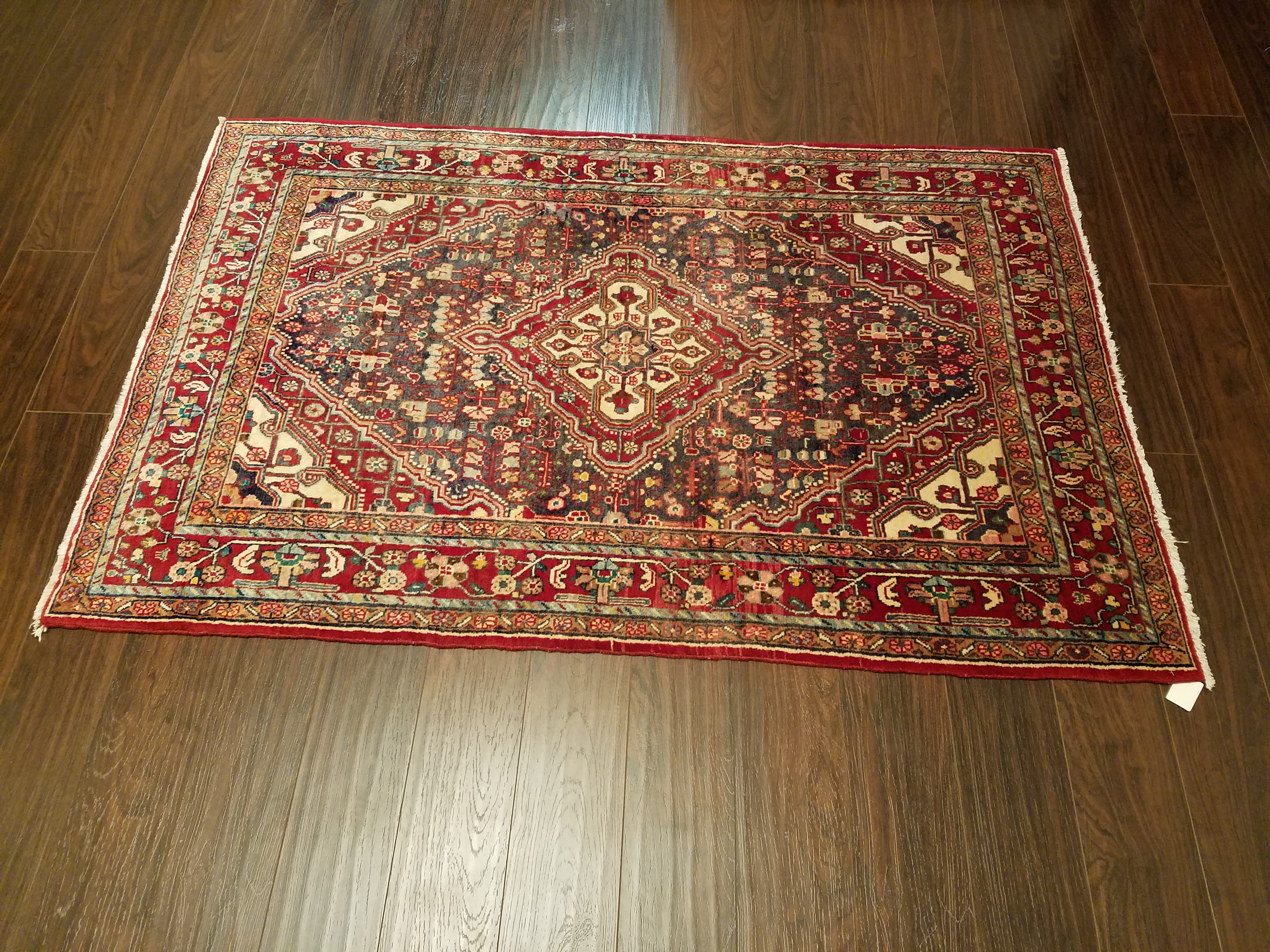

Is an Oriental rug a good investment?
Oriental rugs sit at a crossroads of craftsmanship, cultural history, and interior design. They’re also physical assets—things you buy with real dollars that may (or may not) hold or grow in value over time. If you’re weighing a purchase with an investor’s curiosity as well as a homeowner’s eye, this guide unpacks the financial details: how prices are formed, what drives long-term value, the real costs of ownership, how to sell when the time comes, and a grounded answer to the question “Is purchasing an Oriental rug a good financial decision?”
What you’re actually buying:
“Oriental rug” is an umbrella term for hand-knotted rugs traditionally produced across regions including Iran (Persia), Turkey, the Caucasus, Central Asia, India, Pakistan, Tibet/Nepal, and China. These pieces vary widely by materials, dyes, knot structure, density, design language, and age. From a finance lens, think of the market as three overlapping tiers:
Decorative contemporary and vintage (the majority of purchases): handmade or hand-knotted pieces produced in the last few decades for interior use. These can be excellent quality but are not rare in a collector’s sense.
Good, older rugs with authentic regional identity (semi-antique and antique, but not “blue-chip”): scarcer, often better dyes and wool, more idiosyncratic designs. Desirable, yet values can still swing with fashion and condition.
Top-tier collectible works: exceptional antique pieces (often 19th–early 20th century or earlier), documented provenance, outstanding color/condition/rarity. These behave more like fine art: thin, illiquid markets but meaningful upside in the right examples.
Understanding where a rug sits on this spectrum is step one in forecasting financial outcomes.

How prices are formed
Several inputs combine to form the sticker price—and later, the resale value.
1) Materials and build
Wool quality: Long-staple, lanolin-rich, hand-spun wool wears gracefully and can enhance luster over time. Lower-grade wool pills, compacts, and dulls sooner—hurting future value.
Silk: Raises price and visual drama (especially in city workshop rugs), but it also raises maintenance sensitivity. Silk highlights can help value; all-silk rugs are luxury objects whose resale depends on taste cycles.
Cotton foundations vs. wool foundations: Cotton warp/weft is common in many city rugs; all-wool foundations appear in tribal/weaving-village pieces and can matter to collectors.
Hand-knotted vs. tufted: Tufted rugs (glue/latex backing) are decorative, not heirloom assets; they generally depreciate to near zero. Hand-knotted rugs retain a non-trivial floor of value.

2) Knot density—signal, not destiny
High knots per square inch (KPSI) generally indicate finesse and labor. But density alone doesn’t guarantee desirability. Coarser tribal rugs can outvalue fine city rugs if design, color, and age align with collector demand.
3) Design, color, and regional identity
Certain regions and workshops carry persistent reputations. Distinctive regional character, harmonious natural dyes, and powerful drawing (how the motifs “sit” on the field) often trump sheer fineness in long-term demand.
4) Age and authenticity
Antique (100+ years), semi-antique (50–100), vintage (20–50), contemporary. Age can help, but only with originality and condition intact. Over-restoration lowers collectability.
Authenticity of origin and era matters. Documentation (old invoices, exhibition/auction records) supports pricing power.
5) Condition and restoration
Edges, ends, and pile height influence value. Professional restoration can be value-preserving if sympathetic and disclosed. Non-professional repairs, color-run, moth damage, sun fade, and pet staining can be value killers.
6) Market channel and markup
Retail showrooms, e-commerce dealers, consignment galleries, and auction rooms all price differently. Retail includes the costs of curation, cleaning, restoration, photography, and guarantees. Auction hammer prices can be lower (plus buyer’s premium), but you’re taking more risk. Private sales and estate contexts can yield bargains—along with uncertainty.
Ownership costs that affect “true” ROI
A rug’s investment performance is not just purchasing price vs. sale price; it’s also carried costs and care.
Padding: A quality, non-slip pad protects the foundation and adds comfort—typically a modest one-time cost relative to the rug’s value.
Cleaning: Professional washing every 1–3 years depending on traffic. Expect a per-square-foot cost; large rugs add up. Spot treatment between washes helps protect value. Are you looking for a Professional Oriental Rug Cleaner in your area? Check out the Association of Rug Care Specialists.

Repairs: Rebinding edges, securing ends, moth patching, or re-weaving areas. Timely minor repairs prevent major, value-sapping damage.
Environmental risks: Sunlight fading, pet accidents, plant pot rot, and moths. Mitigating these (rotating the rug, using curtains/UV film, avoiding indoor planters on rugs, regular vacuuming) preserves resale potential.
Insurance: Valuable rugs often require a scheduled personal property rider with a current appraisal. Appraisals cost money and should be updated every so often.
When you tally these, a well-cared-for rug keeps a higher proportion of its purchase price on resale—sometimes the difference between a loss and break-even.

Liquidity: how easily can you convert your rug back to cash?
Compared with stocks or even watches, Oriental rugs are illiquid. You can’t push a button and sell at a global market price. Real-world channels include:
Auction: You’ll pay seller’s commission; the buyer pays a premium too. Reserves can protect you, but lower reserves attract bidders. Sale timing and audience composition matter.
Consignment: A dealer displays your piece to their clientele and takes a cut (often 20–40% depending on value and services).
Direct sale: Online marketplaces or private networks. Higher effort; you need knowledge, photography, and trust with buyers.
Trade-in/upgrade: Some dealers offer trade credit toward a more expensive piece, effectively converting your rug’s value into purchasing power rather than cash.
Illiquidity does not make rugs “bad” investments—but it means you should not allocate money you might need quickly.
Depreciation vs. appreciation: realistic expectations
Most decorative contemporary hand-knotted rugs experience initial retail-to-resale depreciation—like furniture or a car driving off the lot—because retail prices include significant service value (curation, guarantees, return policies). Over time, a well-chosen rug may stabilize and hold a meaningful fraction of its original price, especially if:
The piece is truly handmade with durable materials.
It has strong design and color harmony that “reads” well in many interiors.
It avoids damage and is professionally maintained.
The origin/type stays in stylistic favor.
Older and antique pieces, especially with recognized regional or workshop cachet and great color/condition, can appreciate over long holding periods. The upside is uneven and depends on fashion cycles, dealer scholarship, supply scarcity, and the small number of committed collectors in each niche. A handful of “blue-chip” categories have had robust multi-decade demand; many others have moved sideways or oscillated.
A simple, honest way to frame it
Buy primarily for use and enjoyment. If you live with a rug for 10–20 years, the “dividend” is the beauty underfoot. If later resale recoups a solid percentage—or even posts a gain—great.
Speculating in rugs requires serious expertise, relationships, and patience. Without those, the odds of reliably beating a stock index are slim.
Signals of financial resilience (and risk)
Positive signals
Authentic origin with demand history (e.g., certain Persian city/village weavings, established tribal groups, classic Caucasian types).
Natural dyes, harmonious palette that remains versatile across design trends.
Strong drawing and balance—motifs neither cramped nor sloppy.
Honest age with most of the original pile, minimal invasive repair.
Provenance (gallery invoices, exhibition/auction records, prior literature references).
Standard, usable sizes (e.g., circa 8×10, 9×12, 10×14). Odd sizes can slow resale.
Risk factors
Over-restoration, glued patches, “painted” repairs, or harsh chemical washes.
Synthetic, harsh reds/blues in older rugs (can be a sign of later “improvement”).
Compromised foundations (rot, brittle warps, water damage).
Very trendy colors or treatments that might date quickly.
Tufted/latex-backed pieces marketed as heirlooms—financially, they aren’t.
Appraisals and documentation
For any rug you consider an asset (not just décor), create a paper trail:
A detailed invoice stating age estimate, origin, materials, construction (hand-knotted), dimensions, and condition at purchase.
Professional appraisal for insurance, with photos, description, valuation basis, and appraiser credentials. Update after major market shifts or restoration.
Keep cleaning and repair receipts; these show care and can support future resale claims.
Paperwork builds buyer confidence later—and confidence is money.
Taxes and estate considerations (general, not legal advice)
Sales tax may apply at purchase depending on your jurisdiction.
Capital gains may be relevant if you sell for more than your cost basis (including documented restoration costs). Keep records.
In estates, fair market value appraisals matter for equitable distribution or charitable donations. Speak with a tax professional where needed.

How to buy smart (a step-by-step approach)
Set your thesis. Decorative enjoyment with value retention? Or collector-grade purchase hoping for appreciation? Your thesis decides your budget, search strategy, and tolerance for odd sizes or idiosyncrasies.
Narrow your types. Focus on 2–3 regions or categories, depth beats breadth. Study images and price ranges. Visit dealers, fairs, and auctions, handle as many rugs as possible.
Inspect construction. Hand-knotted back shows individual knots; look for proper selvages, even tension, and absence of brittle cracking. Lift edges to check foundation.
Read the color. Natural dyes often show subtle, non-flat hues and abrash (intentional variegation). Look for harmony across the field, borders, and medallions.
Check condition ruthlessly. Look for moth “grazing,” paint, sun fade, re-weaves, and hard repairs. Smell for mildew. Minor issues are fine if priced in.
Interrogate size and usability. Common room sizes resell faster.
Price context. Compare across channels. If you’re paying a premium, make sure the services (returns, support, cleaning, guaranteed authenticity) justify it.
Negotiate calmly. Many dealers expect it—especially for high-ticket rugs. Fair negotiation preserves relationships; it’s not an adversarial market.
Document everything. Photos, invoice details, any guarantees.

Selling smart when it’s time
Timing: Interior design trends shift. Rich reds and deep blues go in and out of vogue; so do minimal neutrals. If your rug’s palette resurges, liquidity improves.
Channel match: Blue-chip pieces do best with specialty auctions or recognized dealers who can place them with collectors. Decorative pieces sell well via design-savvy consignment or online platforms with strong photography.
Reserve expectations: At auction, set realistic reserves to avoid a pass. For consignment, negotiate the commission and marketing plan.
Presentation: Professionally clean before sale, repair loose edges, and photograph in natural light. Good images can move the price needle.
Case-style examples (illustrative, not promises)
Contemporary, hand-knotted 9×12 bought new for $6,000 from a reputable dealer. After 8 years of careful use, two professional washes (~$600 total) and a minor edge repair ($180), you decide to sell. Decorative market comps suggest $2,500–$3,500 on consignment after fees. Your net might be $2,000–$2,800—a partial recovery, softened by the years of utility and enjoyment.
Semi-antique village rug (circa 1930s) acquired privately for $4,500 with good wool, natural dyes, and lovable drawing. After holding 12 years with proper care, you consign at a specialist gallery. Collector interest pushes a sale at $7,500, with a 25% commission. Net $5,625—a modest gain plus the use dividend.
Top-tier antique tribal piece with literature references and exhibition history purchased at auction for $28,000 (hammer + premium). Five years later, market scholarship elevates the weaver group; a targeted auction yields $45,000 hammer. After commissions, you might net $36,000–$38,000. This is the domain where true investment cases can happen—but the expertise burden is high.
So… is buying an Oriental rug a good financial decision?
Short answer: For most buyers, an Oriental rug is best viewed as a durable luxury good with meaningful use value and partial capital preservation, not a financial instrument engineered for reliable appreciation.
If you buy hand-knotted quality at a fair price, use and maintain it well, and choose a versatile design from a respected origin, you often preserve a significant resale fraction (sometimes 40–80% of retail depending on market and channel). That’s a strong outcome for a functional object you enjoyed for years.
If you aim for capital gains, you need expertise, patience, and access: knowing which sub-categories are historically coveted, detecting great color/drawing, and verifying condition and provenance. In that strata, rugs can behave like fine art: slow to sell but capable of excellent results in the right hands.
If you buy tufted or low-quality pieces, or you ignore condition and care, financial results are usually poor.
The value you can bank on
The “yield” on a good rug includes more than dollars:
Daily aesthetic utility (beauty underfoot, sound dampening, warmth).
Longevity (well-made rugs outlast furniture).
Optionality (you can move it to a new room or home).
Cultural capital (a conversation piece with history and technique).
When you add those to prudent buying and smart care, the overall return—financial plus
intangible—can be excellent.
Quick checklists
Before you buy
Hand-knotted construction verified (not tufted).
Honest origin and age; ask for it in writing on the invoice.
Condition issues identified and priced in.
Usable, liquid size for your market.
Quality pad included; cleaning guidance provided.
Return/guarantee terms understood.
While you own
Use a pad; rotate annually to even sunlight and traffic.
Vacuum regularly; avoid beating bar on fringe/edges.
Address spills immediately; schedule professional washing periodically.
Store clean and dry; protect from moths if storing long-term.
Keep documentation together (invoice, appraisals, restorations).
If/when you sell
Clean and fix minor issues beforehand.
Choose the right channel for your rug’s tier.
Price with comps; be realistic on timing.
Present with excellent photographs and clear documentation.
Bottom line
Buying an Oriental rug can be a good financial decision when framed correctly: you’re purchasing a durable, functional artwork that, with care, often retains substantial value and sometimes appreciates—especially if you develop or borrow expertise. Treat your rug primarily as a long-lived luxury rather than a stock substitute, and you’ll make choices that maximize both your daily enjoyment and your eventual resale outcome.


Comments