


The Secret Behind Hand-Spun Wool
Updated: Oct 30, 2025

In the world of Oriental and Persian rugs, there’s a quiet rhythm that begins long before the first knot is tied. It doesn’t start at the loom, nor in the dye vats, but in the hands of the spinner — the craftsman who transforms raw wool into thread. While many modern carpets rely on machine-spun yarn for uniformity, the most soulful and beautiful handmade rugs still depend on hand-spun wool.
It’s in this simple, ancient act that the true character of a rug is born.
A Tradition Spun by Hand
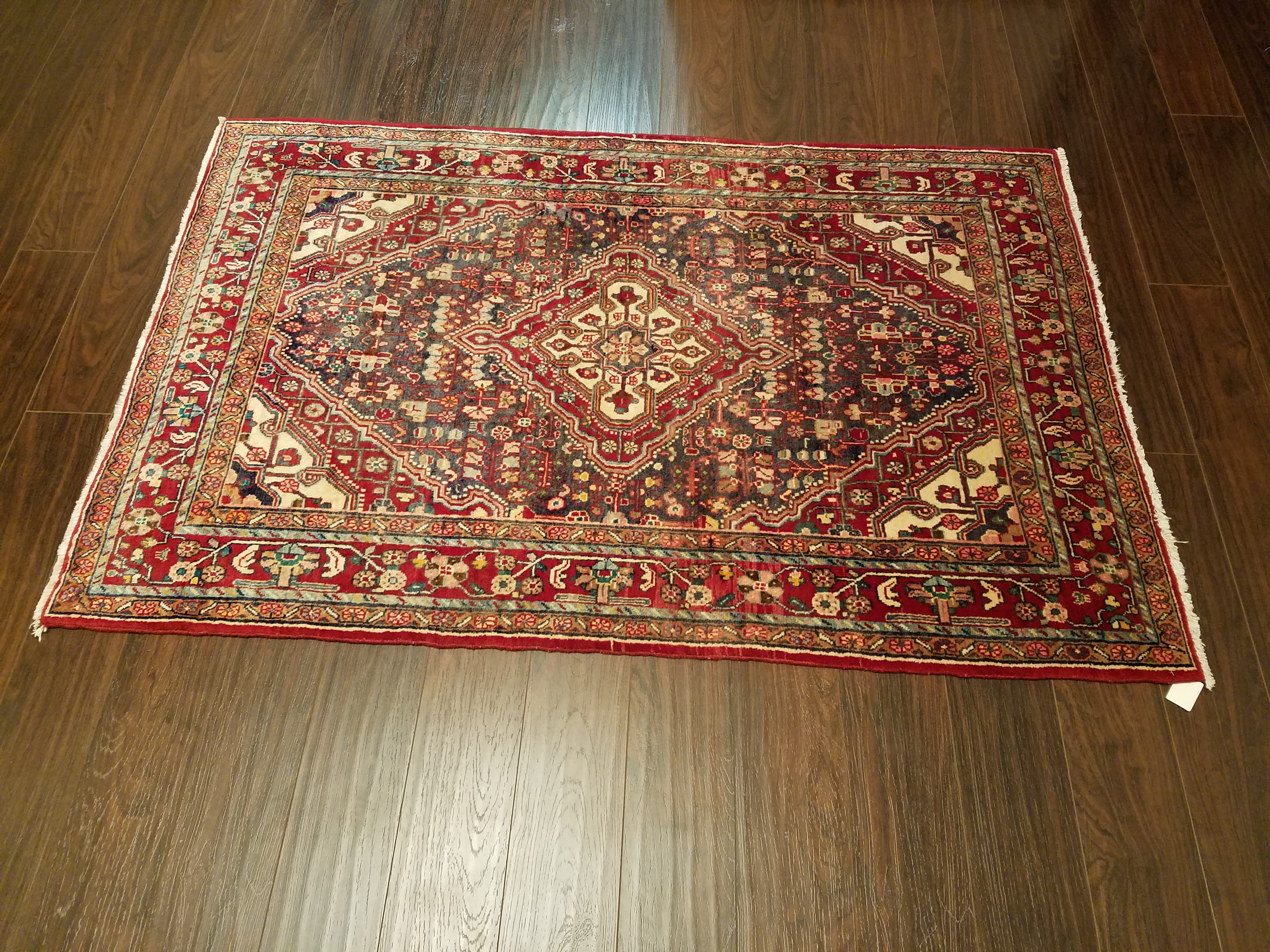
For thousands of years, shepherds and spinners across Persia, India, Afghanistan, and Turkey have practiced the art of hand-spinning. Using nothing more than a spindle or a simple wheel, they draw fibers from the fleece, twisting them into yarn with precision born from experience. Each strand carries subtle variations in thickness, twist, and texture — what rug experts call abrash — and these variations create the gentle movement and warmth that define the surface of a true Oriental rug.
Unlike the sterile perfection of factory-produced yarn, hand-spun wool is alive. When light falls across its surface, the fibers reflect color unevenly, creating depth and energy. That shimmering movement, impossible to reproduce with a machine, gives hand-spun rugs their unmistakable personality.
Why Hand-Spun Wool Feels Different
When you walk barefoot across a hand-knotted rug made from hand-spun wool, you notice it immediately — the surface feels springy, soft, and breathable. This isn’t just a romantic notion; there are scientific reasons for it.
Each hand-spun strand contains tiny pockets of air, naturally trapped during spinning. These pockets give the yarn a slight elasticity and natural insulation. The result? Wool that’s warmer in winter, cooler in summer, and more resilient underfoot.
Machine-spun yarns, by contrast, are twisted under high tension, compressing the fibers tightly. The result is a stiffer, flatter thread that lacks the bounce and life of hand-spun material. It may look neat and consistent, but it doesn’t feel the same — nor does it age with the same grace.

From Fleece to Fiber: The Spinning Process
The process of creating hand-spun wool is both technical and poetic. It begins with the shearing of sheep — often local breeds whose wool is perfectly suited to the regional climate and traditional dyes. In Persian weaving regions such as Hamadan, Malayer, and Kerman, spinners traditionally used wool from mountain sheep that grow thick, long fibers ideal for spinning fine yarns.

1. Cleaning and Carding
After shearing, the raw fleece is washed to remove lanolin, dirt, and debris. Once dry, the wool is carded — combed with wire brushes that align the fibers and prepare them for spinning. The better the carding, the smoother and more even the yarn will be.
2. Spinning the Yarn
Spinners draw the wool gently between their fingers, twisting it into yarn with the spindle’s motion. The art lies in controlling the twist: too tight, and the yarn becomes coarse; too loose, and it lacks strength. Each region, and often each spinner, has a distinctive rhythm and style of twist. The subtle irregularities — the thick and thin moments in the strand — will later translate into the visual liveliness of the finished rug.
3. Plying and Setting the Twist
Once the wool is spun, it’s often doubled back on itself, twisted again in the opposite direction to balance the yarn. This makes it stronger and more uniform for weaving. The skeins are then washed again and hung to dry, sometimes weighted slightly to set the twist.


Hand-Spun Wool and Natural Dyes: A Perfect Marriage
There’s another reason rug makers still prize hand-spun wool: it holds natural dye better. The uneven surface of hand-spun yarn — with its countless micro-grooves and air pockets — absorbs color in subtle gradients, allowing the dye to penetrate deeply.
When natural dyes from madder root, indigo, walnut husks, or cochineal are applied, they bond beautifully with hand-spun fibers, producing tones that are rich, complex, and slightly variegated. These delicate variations are what make antique Persian rugs so visually captivating — no single knot is exactly the same color as the one beside it.
Machine-spun wool, on the other hand, takes dye more uniformly but often more shallowly. The result can be flatter, less vibrant color that lacks the organic character of hand-dyed yarns.
The Spiritual Side of Spinning
In many weaving cultures, spinning isn’t just a mechanical process — it’s a meditative one. Among traditional weavers, spinning is done slowly, rhythmically, often accompanied by song or prayer. In rural Iranian villages, women still gather in courtyards or near looms, spinning wool while conversing about daily life. The repetition of the motion — twist, pull, wind — becomes almost sacred, connecting the spinner to generations past.
Each skein of yarn carries the spinner’s touch, her rhythm, her mood. When woven into a rug, these threads merge into a tapestry that literally embodies the human presence behind it. That’s why collectors often say that a handmade rug “has a soul.” The soul comes, in large part, from the spinner’s hands.

How Hand-Spun Wool Ages Beautifully
One of the most remarkable qualities of hand-spun wool is how gracefully it ages. Over time, the natural oils and lanolin left in the fiber help it resist dirt and wear. As the pile gradually compresses under years of footsteps, the hand-spun texture develops a gentle sheen — known as patina — that enhances the colors rather than dulling them.
Machine-spun rugs may start out smoother and shinier, but their uniform fibers break down faster, especially under heavy use. In contrast, hand-spun rugs often look better with time. A century-old hand-knotted Persian rug made from hand-spun wool can still be vibrant and supple today, its surface mellowed into a soft glow that no synthetic fiber can imitate.
The Economic and Ethical Value
Choosing rugs made from hand-spun wool also supports traditional livelihoods. The spinning process is labor-intensive and often carried out by women in rural areas who earn supplemental income through their skill. By buying rugs woven from hand-spun wool, you’re helping preserve both the economic ecosystem and the cultural heritage of these artisan communities.
Moreover, hand-spun wool is sustainable. It requires no electricity, no chemical processing, and no industrial waste. It’s biodegradable and renewable — qualities that align perfectly with the slow, intentional philosophy behind handmade carpets.
Telling the Difference: Hand-Spun vs. Machine-Spun
If you’re curious how to recognize hand-spun wool, here are a few clues:
Look Closely at the Yarn: Hand-spun yarns are slightly irregular — thicker in some areas, thinner in others. Machine-spun yarns are uniformly even.
Feel the Texture: Hand-spun wool feels livelier and slightly uneven to the touch, with a natural bounce.
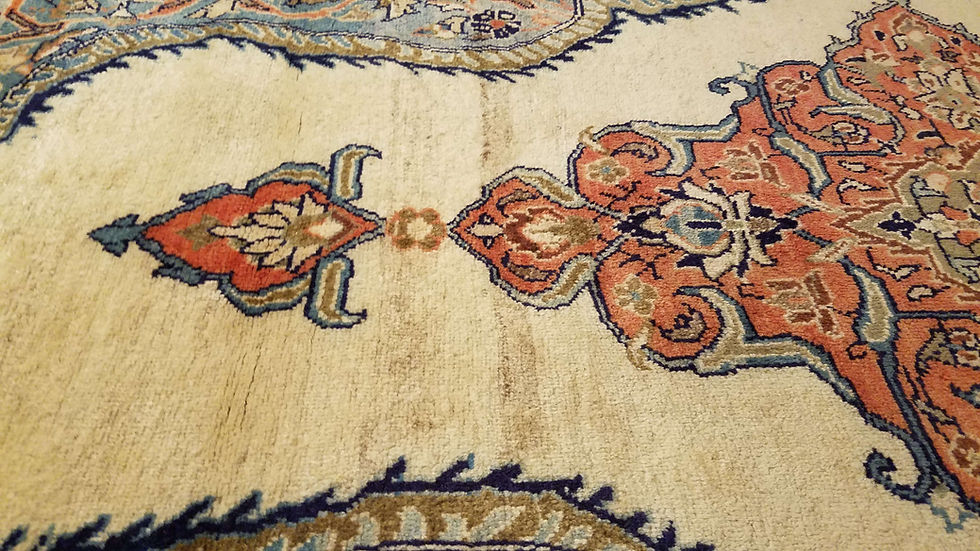
Observe the Dye: Natural abrash (color variation) is a hallmark of hand-spun wool. The color shifts gently from knot to knot.
Listen to the Sound: When you rub the pile, hand-spun wool produces a soft, almost whispery sound, while machine-spun tends to sound “flat.”
Age Gracefully: Over time, hand-spun wool develops luster and depth; machine-spun often becomes dull.
When evaluating a Persian rug, these signs can help reveal whether it’s truly made from hand-spun materials — a key factor in both beauty and value.
The Secret’s Out
The secret behind hand-spun wool isn’t really a secret at all — it’s a story of patience, rhythm, and respect for nature. Each twist of the spinner’s hand captures the essence of time itself: the turning of seasons, the growth of the sheep’s fleece, the hum of the spindle.
When you bring a hand-knotted rug into your home, you’re not just adding a decorative element. You’re preserving an art form — one that began with a single strand of hand-spun wool and continues to connect us to generations of artisans who came before.

Comments