


Are Indian Rugs Good Quality?
Updated: Jan 12

A Closer Look at the Truth Behind the Craft
“Are Indian rugs good quality?” This question comes up constantly, and the honest answer is more nuanced than a simple yes or no. The truth is that the range of quality found in Indian rugs mirrors the range found in every major rug-producing country in the world. India, like Iran, Afghanistan, Pakistan, and Turkey, produces both exceptional hand-knotted rugs and rugs that were never intended to last for decades. Judging Indian rugs as a category—good or bad—misses what truly determines quality.
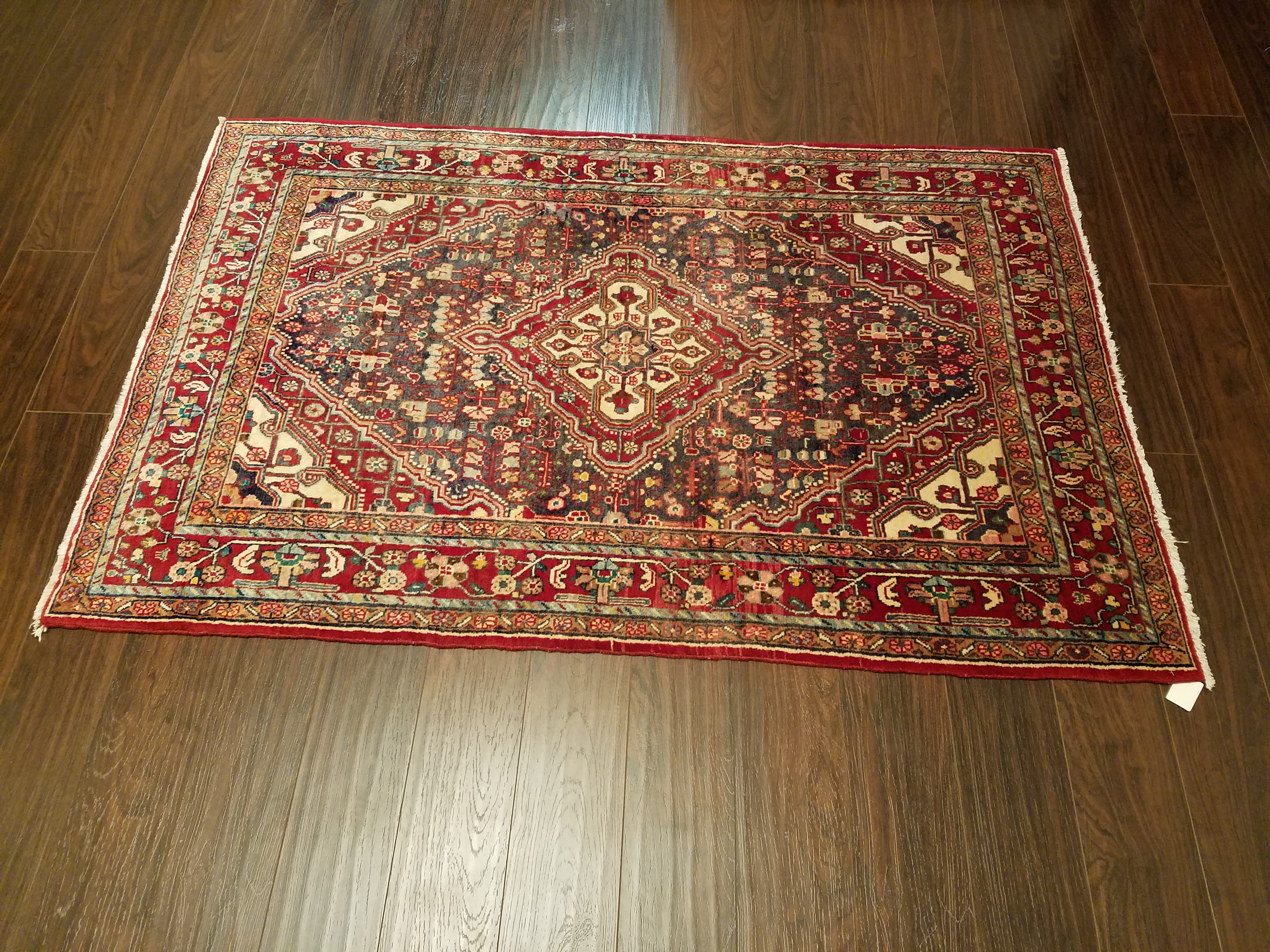
India is one of the world’s largest producers of hand-knotted rugs, supplying markets across Europe, North America, and beyond. Because of this scale, India has become especially well known for producing replica-style rugs, often based on classical Persian designs. Many of the floral medallions, Heriz-inspired geometrics, and traditional all-over patterns that people associate with Persian rugs are also woven in India. Over time, this has led some buyers to inherit a negative opinion of Indian rugs, assuming they are merely copies or somehow inferior by nature. In our experience, this belief has become unfair and unwarranted.

The reality is that India reproduces Persian designs not because it lacks skill or tradition, but because the global market demands them. Persian design language has been admired for centuries, and Indian weavers have proven they can execute these patterns with remarkable precision. In fact, many Indian workshops are capable of weaving designs that are nearly indistinguishable, structurally and visually, from rugs produced in other historic regions. The issue is not imitation—it is intention. A rug woven as a decorative, short-term product will perform very differently from one woven with longevity as its primary goal.
From a construction standpoint, most hand-knotted rugs made in India are produced in a manner very similar to rugs from parts of Iran, much of Turkey, China, Afghanistan, and Pakistan. The same basic principles apply: hand-tied knots, typically on cotton foundations, wool pile, and traditional looms guided by skilled artisans. Structurally speaking, India is not doing something fundamentally different or inferior. When rugs fail prematurely, it is rarely because of the country of origin or the knotting method itself, but the quality of the materials used.
What truly separates a good rug from a bad one—whether it comes from India or anywhere else—is the quality of the wool. Wool can vary dramatically in character. It can be soft or coarse, matte or lustrous, thick or fine. Many buyers are drawn to softness when they touch a rug for the first time, but softness alone does not define quality. Some of the most durable rugs ever woven used wool that felt slightly coarse when new but proved incredibly hard-wearing over generations of use.
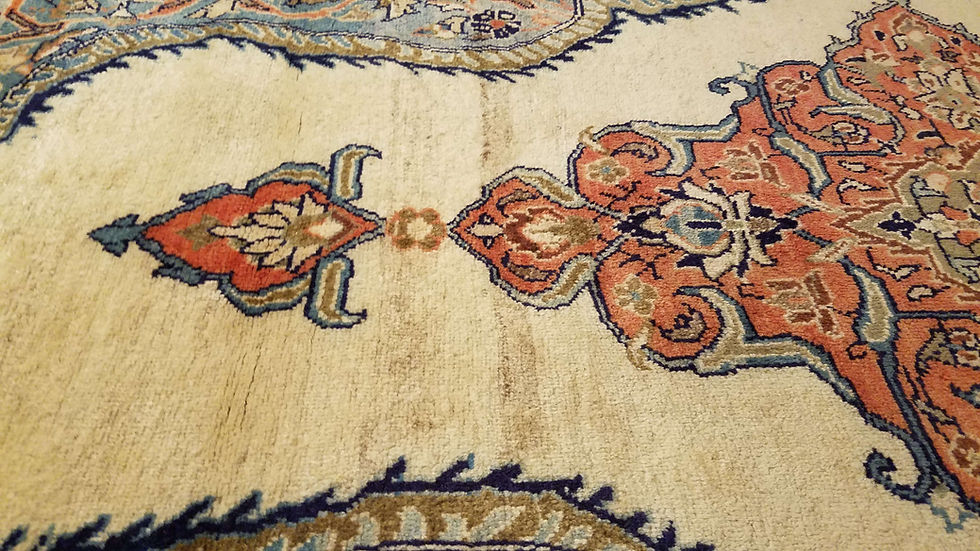
The most important question is not whether the wool feels luxurious on day one, but whether it is resilient. Is the wool elastic enough to bounce back under foot traffic? Will it resist breaking down over time? Will it maintain its structure after decades of walking, vacuuming, and daily life? Hard-wearing wool—the kind that can last for decades or even a century—exists in India just as it exists in Iran, Afghanistan, Pakistan, and Turkey. At the same time, poor-quality wool can be found in all of those places as well.
Because India produces rugs at every price level, it also produces rugs made with wool that prioritizes cost over longevity. Many low-grade Indian rugs are created to meet aggressive pricing demands from big-box retailers, large online brands, or short-term interior design projects. In those cases, the wool may look attractive at first but lack the durability required for long-term use. These rugs are not necessarily dishonest products—they are simply not designed to become heirlooms. Unfortunately, they are often what define India’s reputation in the minds of consumers.

This is where the values of the businesses involved become critically important. Two rugs can be woven in the same region of India, by skilled artisans using similar techniques, and yet have vastly different lifespans. The difference lies in the priorities of the workshop commissioning the rug and the seller offering it to the customer. Are they focused on producing the lowest possible price, or are they committed to making something that will still be admired decades from now?
At ShopPersianRugs.com, we have seen both excellent and poor-quality rugs come from India, and we are very open about that reality. We work closely with our partners in India and consistently stress the importance of quality—especially wool quality—above all else. We are not interested in selling an inferior product that needs to be replaced every few years. Our goal is to offer rugs that perform the way a hand-knotted rug should, regardless of where it is made.
We love hand-knotted rugs. We buy them ourselves, we live with them, and we collect them. That perspective shapes how we approach sourcing. We believe that when a customer truly falls in love with a rug—when it feels right underfoot, wears beautifully, and holds up over time—they are far more likely to return to buy another rug for another room in their home. Long-term satisfaction matters more than short-term sales.
The best Indian rugs, like the best rugs from anywhere else, are defined by thoughtful material selection, careful weaving, and an emphasis on durability rather than speed. These rugs are not disposable décor items. They are meant to age gracefully, developing character and patina instead of thinning and breaking down. When made correctly, an Indian rug can last for decades and become a meaningful part of a home.
So, are Indian rugs good quality? The honest answer is that they can be exceptional, and they can also be poor—just like rugs from any other country. Country of origin alone tells only a small part of the story. What truly matters is the quality of the wool, the integrity of the weaving, and the values of the people behind the rug.

When you look beyond inherited assumptions and focus on these fundamentals, it becomes clear that India is not a country of “good” or “bad” rugs—it is a country of possibility. And when quality is the priority, that possibility can result in rugs worthy of lasting a lifetime or more.
Are Indian Rugs Good Quality?
At ShopPersianRugs.com, we have intentionally built nearly half of our business around custom rug creation because it allows us to do something that is increasingly rare in today’s rug market: maintain true control over quality. Wool quality can vary dramatically from one village to the next, from one city to another, and certainly from country to country. Even within the same region, differences in sheep breeds, grazing conditions, shearing practices, washing, spinning, and dyeing can produce results that look similar at first glance but perform very differently over time. Because of this variability, it is impossible for any rug dealer sourcing from dozens of unrelated producers to consistently guarantee the level of durability and longevity that discerning customers deserve. Rather than accept that uncertainty, we chose a different path.
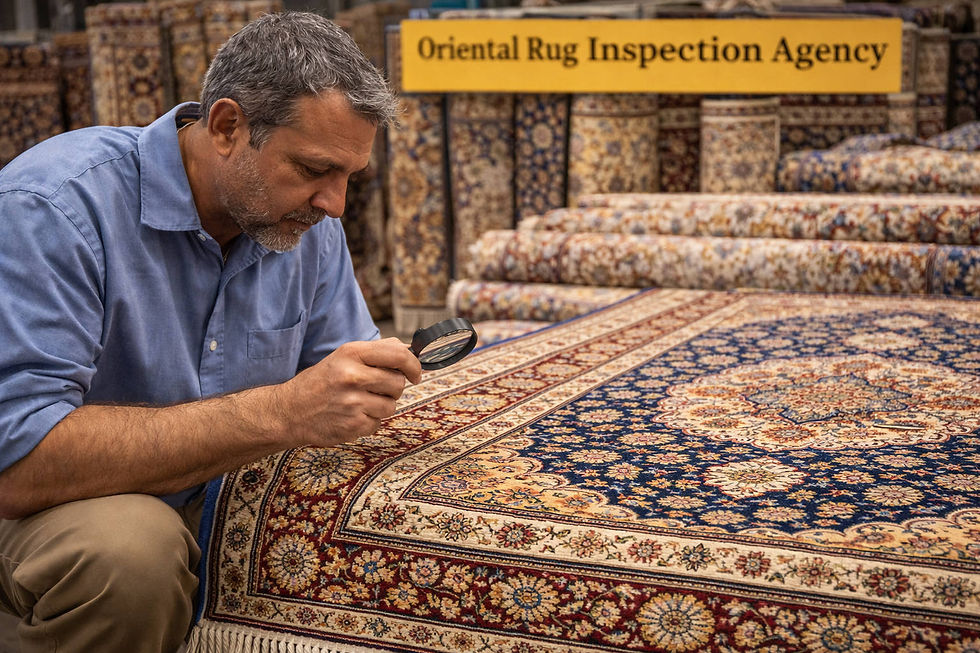
By working closely with a single, trusted production partner, we are able to monitor every critical step of the process—from wool selection and spinning to dyeing, knotting, finishing, and final inspection. This close relationship allows us to set strict standards, reject materials that do not meet our expectations, and make real-time adjustments when something is not right. Custom rug production is not about convenience or speed; it is about accountability.
When we design and commission a rug ourselves, we know exactly what is going into it and why. That confidence allows us to stand behind our products without hesitation. Our customers are not simply buying a rug—they are investing in something meant to last for decades. By focusing on custom work and limiting production to one carefully chosen partner, we can consistently deliver the quality, integrity, and longevity that define what ShopPersianRugs.com stands for.


Comments