


Nature’s Palette: A Deep Guide to Natural Dyes in Oriental Rugs
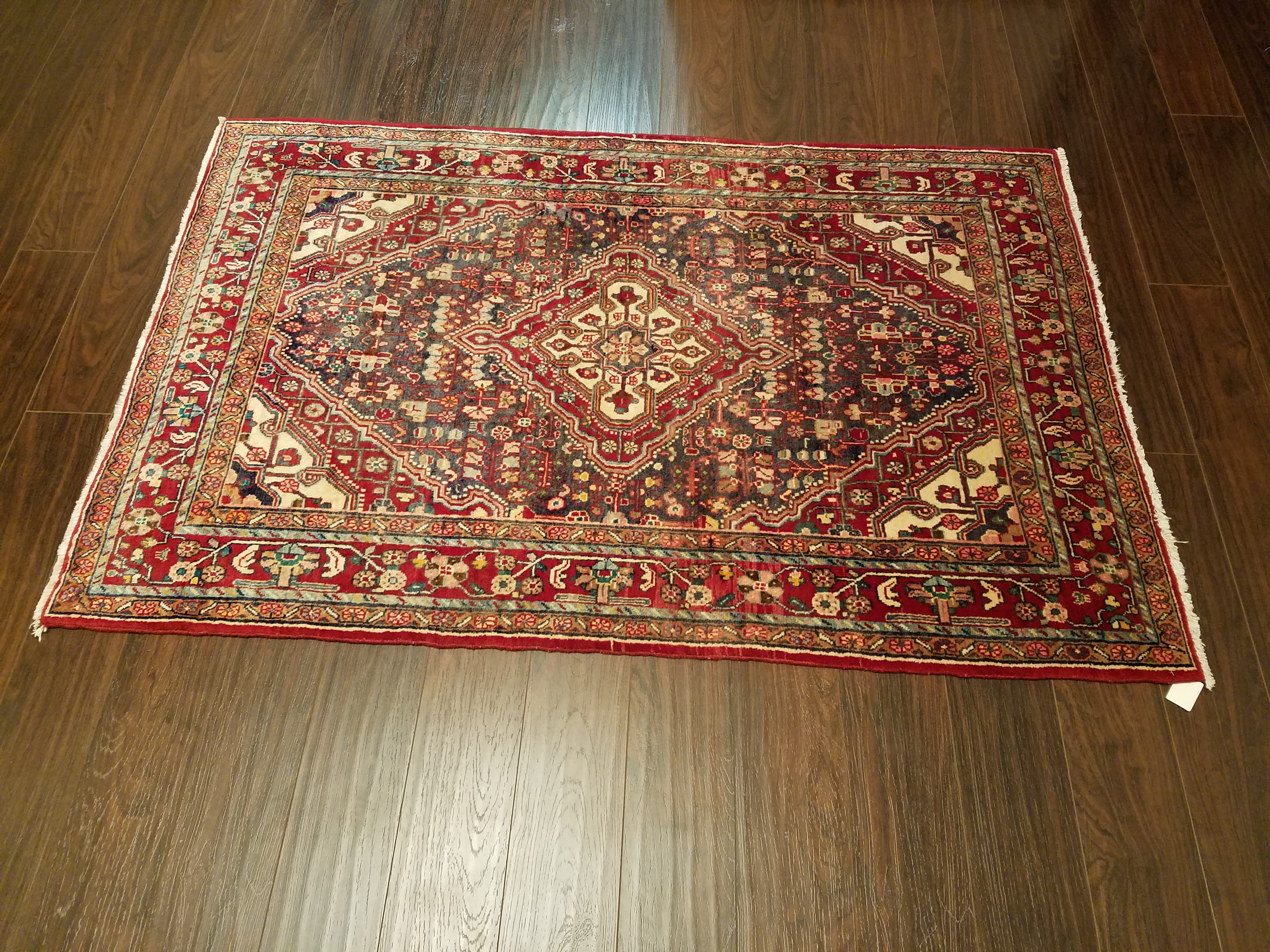
Natural dyes are the heartbeat of traditional Oriental rugs. They don’t just color wool; they tell you where a rug came from, who wove it, and what the land around them could provide. From the crimson of madder root to the midnight depths of indigo, every shade carries a history of plants, insects, minerals, water, and craft. This guide explores the main natural dye materials, how they’re produced, where they’re famously used, and how their characteristics help identify rugs from specific villages and regions.
The Three Big Dye Types (and Why They Matter)
Before we tour dye plants and weaving towns, it helps to know how colors actually anchor to wool:
Mordant dyes: These colorants need a mordant—most commonly alum (potassium aluminum sulfate)—to form a bond with the fiber. Iron “saddens” hues (drives colors toward gray/black), tin can brighten certain reds and yellows, and copper can shift greens and blues.
Examples: madder root reds, weld yellows, pomegranate rind golds, many flower/leaf dyes.
Vat dyes: Indigo is the queen of vat dyes. It’s reduced in an alkaline bath to become soluble, then the yarn is dipped and oxidized in air to develop its blue. Layered dips produce deeper blues and are the basis for traditional greens (indigo over yellow).
Substantive dyes: These need no mordant; they cling to fiber on their own because they’re rich in tannins or similar compounds.
Examples: walnut hull browns, some bark dyes, tea, oak-gall tannins (often used as assistants, too).
How dyers combine these chemistries—and which minerals are in their water—strongly affects color clarity, fastness, saturation, and aging. Those traits, in turn, are key for region-specific identification.
Core Natural Dye Materials for Oriental Rugs and Their Signatures

Beetroot slices – the dark red-purple pieces, often used for soft pink and reddish tones.
Blueberries – the small dark blue fruits, which can yield blue or purple tints.
Marigold petals – the vibrant orange flower, used for golden or orange hues.
Paprika or madder powder – the deep red-orange powder, likely representing madder root dye used for red shades.
Matcha or ground leaves – the green powder, which can resemble ground indigo leaves or other plant-based greens.
Fresh rosemary and kale – green herbs included for their organic aesthetic and possible minor dye properties.
Madder Root (Rubia spp.) — Reds, Rusts, Corals
Where it thrives: Iran (Kerman, Kashan, Yazd, Qashqai areas), Afghanistan (Herat, Andkhoy), Turkey (Konya, Bergama), the Caucasus (Shirvan, Kuba, Kazak), and across Central Asia.
Palette: From cherry to brick to burnt orange, depending on the root age, soil, mordant, and recipes.
Identification clues: Traditional Heriz and Bijar are famous for gutsy, durable madder reds. Qashqai reds often show lively coral/orange subtones. Afghanistan’s Maimana and Andkhoy villages frequently feature saturated, slightly earthy madder reds with assertive contrast against dark blues.
Indigo (Indigofera tinctoria, Persicaria tinctoria, Isatis tinctoria/woad) — Blues & the Basis of Greens
Where it thrives: Historically traded widely; local cultivation in Iran, Anatolia, the Caucasus, Central and South Asia.
Palette: Pale sky to near-navy; built by multiple dips.
Identification clues: Bijar and Kurdish weaving districts are known for dense midnight blues. Caucasian rugs (Shirvan, Kuba, Daghestan) often show crisp, clear indigo grounds or borders. In Baluch and Sistan pieces, indigo is frequently “saddened” with iron to near-black, producing moody, inky fields.

Weld (Reseda luteola) & Dyer’s Broom (Genista tinctoria) — Luminous Yellows
Where they thrive: Anatolia (notably Bergama, Konya, Sivas), the Caucasus (especially Shirvan), northern Iran (Hamadan region villages), and into the Balkans.
Palette: Clear lemon to bright golden yellow; often mordanted with alum for brilliance.
Identification clues: Classic Caucasian pieces—Lesghi, Shirvan, Kuba—often exhibit clean, lemony weld yellows that stay bright for centuries. In many Hamadan-region village rugs, weld or broom gives a sunny highlight that contrasts beautifully with madder and indigo.

Pomegranate Rind (Punica granatum) — Warm Golds & Khakis
Where it thrives: Throughout Iran (notably Kerman, Kashan, Yazd, Fars), Afghanistan, Pakistan, and NW India.
Palette: Warm yellow-golds, khaki olives (especially with iron).
Identification clues: Look for golden ochre motifs in Shiraz/Qashqai and Afshar work; when shifted with iron, pomegranate contributes to olive and drab notes common in certain tribal palettes.

Walnut Hull (Juglans regia) — Browns, Umber, Blackened Browns
Where it thrives: Widely across Iran (Hamadan villages, Kurdistan), the Caucasus, Anatolia.
Palette: From soft fawn and café au lait to dark chocolate; iron additions drive to near-black.
Identification clues: Baluch rugs and many Kurdish pieces lean on walnut for earthy fields and borders. Traditional Hamadan-region output (e.g., Tuyserkan, Nahavand) often balances madder reds and indigo blues with walnut browns in a village-typical triad.
Onion Skins, Chamomile, Saffron (yes, sparingly), and Local Flowers — Yellows & Golds
Where they thrive: Anywhere onions are cooked! Common in Iran’s villages, Anatolia, Afghanistan, and the Caucasus.
Palette: Soft straw to golden honey.
Identification clues: Onion-skin yellow is ubiquitous in village work, particularly in Hamadan and Shiraz pieces where local dyers used what they had in abundance.

Sumac, Oak Galls, and Other Tannins — Dye Assistants & Softer Browns
Where they thrive: Across Iran and Anatolia; oak galls from forests in the Caucasus.
Palette: Browns, grays; frequently used as assistants to help fix other dyes or modify tone.
Identification clues: Some older Anatolian and Caucasian pieces show gray-brown notes that come from tannin-rich baths used alongside primary dyes.
Cochineal & Its Cousins — Crimson to Magenta Reds
Where: Two stories here. The New World cochineal (Dactylopius coccus) entered Old World dyeing after the 16th century through trade. Armenian cochineal (Porphyrophora hamelii), a related insect in the Ararat plain, has an even older regional history.
Palette: Ruby to wine-red and magenta; cochineal produces a slightly different red than madder (often cooler, with bluish undertones).
Identification clues: Historical Caucasian and Kurdish rugs sometimes show cochineal clues (especially high-end or court-commissioned pieces). In parts of Kerman and Tabriz, imported cochineal contributed to sophisticated crimson accents.

Lac (Laccifer lacca) — Vivid Reds
Where: Originates in South and Southeast Asia; traded widely.
Palette: Vivid, sometimes slightly purplish reds; more common historically in Indian subcontinent textiles, occasionally moving through Persian and Central Asian dye pots.
Identification clues: Less typical in village Persian rugs than madder or cochineal but seen in some historic Mughal or trade-influenced carpets and occasionally in Jaipur or Bhadohi/Mirzapur outputs when natural palettes are specified.

Buckthorn (Persian Berries, Rhamnus spp.) — Acidic Yellows & Greens
Where: Iran (especially north and northwest), the Caucasus, Anatolia.
Palette: Sharp, sometimes slightly greenish yellows; excellent for over-dyeing with indigo to create bright greens.
Identification clues: Caucasian greens with a lively, crisp character often come from buckthorn layered with indigo.
Regional Palettes: Villages, Cities, and What Their Dyes Whisper
Iran (Persia)
Heriz & the Greater Qarādagh Area (NW Iran): Known for monumental medallions and madder-rich reds balanced by indigo blues and walnut browns. The water here contributes to clarity: reds appear robust and slightly cool, blues read steady and deep.
Hamadan Province Villages (e.g., Nahavand, Tuyserkan, Bibi-kabad, Chenar): A tapestry of village palettes—onion-skin and weld yellows, pomegranate golds, walnut browns, and friendly madder reds. Expect cheerful contrasts and abrash (dye-batch striation), a hallmark of small-bath village dyeing.
Qashqai (Shiraz/Fars): Tribal palettes with indigo fields, effervescent madder reds, and warm pomegranate yellows. Greens are typically indigo over weld or buckthorn—often slightly uneven (in a charming way) because of small-batch methods.
Bijar (Kurdistan): “The Iron Rug” for its dense weave—and equally dense color. Deep indigo navies and saturated madder reds dominate. Walnut contributes austerity to borders and minor motifs, and iron-influenced mordants can produce those famously sober, durable tones.
Kerman (SE Iran): In older pieces, elegant reds (madder and sometimes cochineal) and delicate pastels—subtle pistachio greens from indigo over light yellows, soft roses from carefully controlled reds, and refined tans from pomegranate and walnut.
Isfahan & Nain (Central Iran): Court-influenced aesthetics with sophisticated control. Blues (from indigo) are often luminous and clean; madder reds are refined, and ivory fields (undyed, high-quality wool) magnify contrast. Yellows are used sparingly for tasteful highlights.
Tabriz (Azerbaijan, NW Iran): Cosmopolitan workshops historically accessed a wide dye pantry: madder, indigo, pomegranate, occasional cochineal. Expect clarity and balance—colors feel disciplined, with controlled abrash.
Afshar (Kerman/Fars borderlands): Those distinctive coppery reds and teal-leaning blues are a treat—often the product of madder plus mineral-sensitive water and indigo layered in ways unique to local practice. Walnut and pomegranate frequently anchor the earth tones.
Turkey (Anatolia)
Bergama & Yuntdağ (Aegean): Bold primaries: madder reds, indigo blues, weld yellows. Greens via indigo over weld often read fresh and bright. The high-contrast graphic look of classic Bergamas owes much to clean, clear natural primaries.
Konya & Karapinar (Central Anatolia): Strong geometry and steady madder/indigo foundations. Yellows from weld and dyer’s broom; walnut grounds many antique examples.
Hereke (Marmara): Later court and workshop rugs sometimes used synthetic anilines historically, but top-tier natural-dye revivals emphasize clear indigo and refined madder with mineral-rich water delivering sheen and clarity.
The Caucasus (Azerbaijan, Armenia, Georgia, Daghestan)
Shirvan, Kuba, Daghestan: Famous for lemony weld yellows, lively indigo, and sometimes the cochineal/Armenian cochineal reds in historical work. Greens pop where buckthorn or weld rides under indigo. The “electric” clarity of Caucasian palettes is a diagnostic hallmark.
Kazak & Karabagh: Powerful reds (mostly madder), intense blues (indigo), and punchy greens. Karabagh sometimes shows romantic rose tones (cochineal or madder variants).
Afghanistan
Herat, Maimana, Andkhoy: Saturated madder reds, assertive indigo blues, and walnut browns. In many contemporary natural-dye projects, you’ll see jewel-like clarity with modest abrash—especially in Maimana kilims and Andkhoy pile rugs.
Pakistan & North India
Lahore/Attock belts (Pakistan) and Jaipur/Bhadohi–Mirzapur (India): Modern natural-dye programs lean on madder, indigo, weld, pomegranate, walnut, and buckthorn. Jaipur’s long dye history supports sophisticated, repeatable color recipes for exports—expect consistent batches with controlled abrash unless the client asks for a village look.
Central Asia & Turkmen Tribes
Turkmen (Tekke, Yomut, Ersari): That archetypal deep “oxblood” red is madder guided by specific mordants; indigo provides midnight blues; walnut and sometimes iron adjustments push browns and near-blacks. These somber, powerful palettes are utterly diagnostic.
Tibet & Nepal
Kathmandu workshops: Contemporary natural-dye rug programs draw on indigo, madder, pomegranate, walnut, and local botanicals—often paired with highland wool for a soft, low-contrast, earthy palette. Greens tend toward olive if iron enters the yellow bath.
China (Historical)
Ningxia & early Chinese carpets: Historically favored indigo blues, golds from yellow plants (weld relatives and local flora), and browns from walnut/bark. The overall look: elegant, restrained, atmospheric—less saturated than Persian or Caucasian cousins.
Morocco (Bonus North African note)
Middle Atlas (Beni Ourain & neighbors): Traditionally minimal palettes with undyed wool, but where dye appears, local madder, indigo, and plant yellows surface in simple, vivid accents.
Desired Dye Characteristics—and What They Reveal
Professional dyers prize several qualities. Learning to “read” them helps identify origin:
Light fastness: Natural dyes vary: indigo and madder are famously durable; weld is strong when properly mordanted; turmeric is fugitive (will fade). Regions that relied on turmeric for yellow (less common in top-tier Persian/Caucasian work) often show unevenly faded golds. By contrast, a 120-year-old Caucasian with clear lemon yellows likely used weld—a strong identification clue.
Wash fastness and Crocking: Well-mordanted reds and yellows won’t bleed excessively. Rugs from villages with exacting dyeing traditions—Bijar, Tabriz, parts of Isfahan—often show clean edges between colors even after a century, a testament to method and water quality.
Clarity vs. Sootiness: Mineral content in water and mordant control can make a red snap or look muddy. Caucasian and Anatolian village palettes often look sparkling; some tribal Baluch pieces intentionally skew to sooty, inked palettes for mood and contrast—both are regionally consistent.
Saturation and Depth: Multiple indigo dips produce depth; Bijar is famous for midnight fields, Afshar for complex teal-blue passages. In reds, old Turkmen show remarkable inner depth—a function of madders, mordants, and finishing.

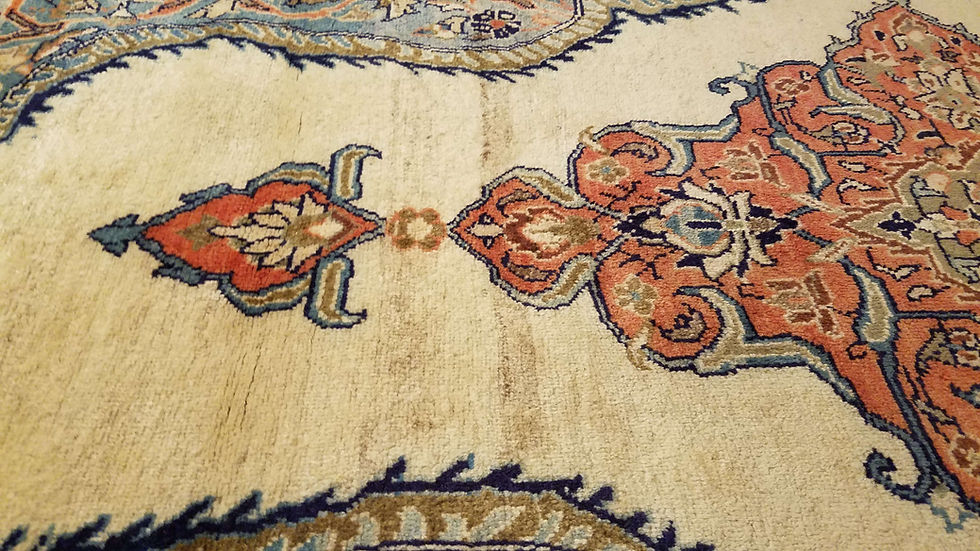
Abrash - Color variation of the pile when woven Abrash (Color Striation): Small-batch dyeing creates abrash—soft bands or shifts within a single color. It’s not a flaw; it’s a fingerprint of authenticity. You’ll see more pronounced abrash in Qashqai, Hamadan villages, Afghan tribal work, and many Caucasian rugs; less in court/workshop settings like Isfahan or modern Jaipur where batch control is tighter.
Aging & Patina: Natural dyes mellow gracefully. Madder reds soften toward brick/rose; indigo relaxes from inky navy to deep denim; weld turns from lemon to golden straw. If a 19th-century Heriz looks like a neon sign, it’s probably not naturally dyed—or it was aggressively restored with synthetics.
Greens: The Signature Over-Dye
There’s no fully stable plant that yields permanent emerald-green by itself in traditional practice; the classic recipe is indigo over yellow (weld, buckthorn, broom, or pomegranate-based yellows). Study greens carefully:
Caucasian greens often appear vivid and slightly cool (indigo + weld/buckthorn).
Persian tribal greens can drift olive if iron is in the yellow mordant or local water.
Anatolian greens range from apple to pine depending on dyer preference and available yellow.
Green character is one of the fastest ways to “hear” a region speaking.
How Dyes Help Identify Where a Rug Was Woven
The Red–Blue Axis:
Bijar/Kurdish: solemn, saturated indigo + powerful, slightly cool madder.
Heriz/Tabriz: clear, architectural reds and blues; minimal muddiness.
Baluch/Sistan: indigo pushed to near-black; walnut and iron-rich modifiers yield a brooding palette.
The Yellow Story:
Caucasian (Shirvan/Kuba): bright weld yellows that persist and pop.
Hamadan villages: kitchen-friendly onion, pomegranate, and broom—warmer, homier golds with non-uniform abrash.
Greens as Passport Stamps:
Caucasus: crisp, lively greens (indigo over weld/buckthorn).
Fars/Qashqai: olives and leaf-greens (indigo over pomegranate/weld with iron traces).
Browns & Blacks:
Walnut and iron blacks—Baluch and Turkmen territories love these; they frame geometry and create moody contrast.
In many Persian villages, undyed natural brown wool (from dark sheep) mixes with walnut-dyed tones to enrich borders.
Cochineal Moments:
Historic Armenian cochineal in the Caucasus and traded cochineal in Kerman/Tabriz add a cool-crimson accent rare in hamlets that relied solely on madder patches behind the house.
Practical Tips for the Rug Enthusiast
Look for harmony, not just hue. Natural palettes feel “alive,” with micro-variation across the field (abrash) and gentle, non-plastic transitions.
Study the greens and yellows. The type of yellow—and how it partners with indigo—is one of the best regional tells.
Assess patina, not perfection. True natural dyes age like leather—quietly, beautifully. Overly uniform surfaces in an “old” rug can signal re-dyeing or heavy restoration.
Remember water. Two villages using the same plant can produce different color personalities because mineral content, pH, and local mordant traditions vary.
Expect exceptions. Trade routes moved dyestuffs and recipes. Workshops in cosmopolitan centers (e.g., Tabriz, Isfahan, Jaipur) often created palettes on request, blurring strict regional rules.
The Revival: Natural Dyes Today
In the last few decades, Afghanistan, Iran, Turkey, Pakistan, and India have nurtured natural-dye revivals. Workshops and cooperatives re-learned recipes, repaired indigo vats, and standardized alum-based mordanting to deliver the lightfast, complex palettes collectors crave—without the harshness and fugitive surprises of early aniline synthetics.
Afghanistan (Andkhoy/Maimana): jewel-toned reds and blues with honest abrash.
Iran (Kurdistan, Fars): tribal palettes revived with meticulous small-batch dyeing.
Anatolia: reissues of Bergama/Konya idioms with sparkling primaries.
Jaipur, Bhadohi/Mirzapur: export-oriented production that can deliver either “village character” (intentional abrash) or workshop consistency—both with fully natural palettes when specified.

Closing: Reading Color Is Reading Culture
When you look at a naturally dyed Oriental rug, you’re seeing an ecology turned into art: soils that fed madder, orchards that gave pomegranate rinds, groves of walnut, fields of weld, river water that set the mordants, and hands that remembered the right sequence, temperature, and time. Villages and cities—from Heriz and Hamadan to Shirvan, Konya, Kerman, Andkhoy, and Jaipur—speak through these colors.
Madder tells you about the land; indigo whispers about trade and technique; weld and buckthorn reveal climate and craft choices; walnut marks a love of earth tones; cochineal hints at long-distance connections. Learn these voices, and you’ll not only spot where a rug likely hails from—you’ll hear the story of its place.


Comments